



Quick Takeaway & Executive Summary: Healing emotionally after a heartbreak is an intentional, multi-phase psychological process. It requires practicing radical acceptance, establishing emotional distance (No Contact), prioritizing physical self-care, and actively rebuilding individual self-esteem. This guide provides actionable, research-backed recovery strategies tailored for adults navigating breakup grief, divorce, or romantic separation.
The Psychological Framework for Overcoming Heartbreak
Heartbreak can feel completely overwhelming. Whether your relationship lasted a few months or many years, the emotional pain of losing someone important can affect your confidence, daily routine, and overall well-being. The good news is that emotional healing is fully possible.
Learning how to heal emotionally after a heartbreak is not about forgetting the past overnight. Instead, it’s about understanding your emotions, caring for yourself, and gradually building a healthier future. While every healing journey is unique, implementing evidence-based coping strategies allows you to recover with greater strength and resilience.
Target Audience & Use-Case: This guide is specifically designed for individuals experiencing emotional distress, anxiety, or identity loss following the end of a romantic relationship.
Why Heartbreak Hurts So Much
Why does heartbreak cause physical and emotional pain? Heartbreak hurts because the brain processes emotional rejection in the exact same neural regions that process physical body pain. Furthermore, after a breakup, levels of dopamine and oxytocin drop significantly while cortisol surges, leading to genuine physical fatigue, anxiety, and distress.
A breakup represents more than the end of a partnership—it often signifies the loss of daily routines, emotional security, and shared future goals. Research indexed by the National Institutes of Health confirms that romantic rejection triggers physical stress responses in the brain, demonstrating that your reactions are a normal biological and psychological response on the path toward recovery.
Accept Your Emotions Instead of Fighting Them
Permit Yourself to Feel
Trying to ignore sadness, anger, or disappointment usually delays healing. Instead of suppressing your emotions, allow yourself to experience them without judgment.
Healthy emotional processing techniques include:
- Crying when needed to release tension
- Writing unedited thoughts in a journal
- Talking openly with trusted friends or family
- Practicing somatic mindfulness and breathing exercises
Accepting your feelings doesn’t mean staying stuck—it means allowing your nervous system to process grief naturally. Expert guidelines from the American Psychological Association emphasize that actively processing emotional stress rather than suppressing it is vital for long-term psychological recovery.
Avoid Emotional Numbing
Many people try to escape emotional pain through unhealthy habits such as excessive drinking, constant distractions, or immediately entering another relationship. These coping mechanisms provide temporary relief but significantly delay long-term recovery.
Create Healthy Distance from Your Ex
One of the most effective healthy ways to heal from heartbreak is creating absolute emotional space.
Depending on your situation, this may involve:
- Executing a strict No Contact rule (limiting or stopping direct communication)
- Unfollowing, blocking, or muting social media accounts
- Removing personal reminders and shared gifts from your daily environment
- Setting firm personal boundaries with mutual friends
Creating distance allows your brain to break its addiction to romantic triggers and helps your emotions detach naturally.

Focus on Self-Care Every Day
Prioritize Your Physical Health
Emotional recovery becomes much easier when your physical body is well supported.
Essential daily recovery habits include:
- Getting 7–9 hours of quality sleep every night
- Eating nutrient-dense, balanced meals
- Maintaining optimal daily hydration
- Exercising regularly (30 minutes daily)
- Spending time outdoors in natural sunlight
Exercise is particularly beneficial during grief because it releases endorphins. Clinical insights from the Mayo Clinic on exercise and stress relief highlight that physical activity acts as a natural booster to improve mood and decrease anxiety during times of hardship.
Build a Consistent Routine
Heartbreak often disrupts personal stability. Re-establishing a daily routine provides structure during periods of emotional uncertainty. Integrating daily mindfulness or meditation can help; Harvard Health research demonstrates that regular mindfulness practices ease mental stress and restore a sense of cognitive control.
Active Emotional Recovery vs. Emotional Avoidance
| Recovery Aspect | Active Healing (Recommended) | Emotional Avoidance (To Avoid) |
|---|---|---|
| Grief Strategy | Journaling, therapy, and emotional expression | Suppression through alcohol, work, or distractions |
| Communication | Strict No Contact / Firm emotional boundaries | Checking ex’s social media, texting late at night |
| Self-Concept | Rebuilding individual goals and personal identity | Rushing immediately into a rebound relationship |
| Long-Term Outcome | Increased emotional resilience and long-term clarity | Delayed grief, recurring anxiety, and unhealed patterns |
Rebuild Your Self-Esteem After a Breakup
Many people question their worth after a relationship ends. Remember that a breakup reflects compatibility or timing—it does not define your intrinsic value.
Practice Positive Self-Talk
Actively replace intrusive negative thoughts:
- Replace: “I’ll never find love again.”
- With: “Healing takes time, and I am learning to build healthier future relationships.”
Invest in Personal Growth
Heartbreak can become an incredible catalyst for self-improvement. Shift your focus back onto your personal development:
- Learn new professional or creative skills
- Start a structured fitness program
- Read personal development books
- Explore new hobbies and travel opportunities
Lean on Your Support System
Healing does not have to happen in isolation. Surround yourself with supportive people, including:
- Family members and close friends
- Community support groups
- Professional counselors or licensed therapists
Talking openly about your emotional experience reduces feelings of isolation and restores perspective. If emotional pain severely impairs your daily life for several months, seeking professional therapy is a highly effective, courageous choice.
Real-World Application: A Case Study in Emotional Recovery
Case Study Example: After a sudden end to a 3-year relationship, Mark experienced acute anxiety, sleep disruption, and a constant impulse to check his ex’s social media. By adopting a structured recovery strategy—enforcing a strict 60-day No Contact policy, engaging in daily 20-minute expressive journaling, and attending bi-weekly therapy—Mark reported a 50% decrease in daily distress scores by week six and successfully established a completely independent personal routine by month three.
Avoid Common Mistakes That Slow Emotional Healing
Many individuals unintentionally prolong their suffering. Steer clear of these common pitfalls:
- Constantly monitoring your ex’s social media accounts
- Assuming full guilt or blame for the relationship ending
- Comparing your healing pace to other people’s timelines
- Rushing into a rebound relationship to numb discomfort
- Isolating yourself completely from loved ones

Practice Forgiveness Without Forgetting
Forgiveness does not mean approving of hurtful behavior or pretending the relationship never mattered. Instead, forgiveness allows you to release ongoing resentment that keeps you emotionally bound to painful memories. Forgiving yourself for mistakes made during the relationship is equally crucial for achieving emotional peace.
Signs You Are Healing from Heartbreak
Emotional recovery happens gradually. Encouraging signs that you are successfully healing include:
- Thinking about your ex less frequently during the day
- Feeling genuine hope and excitement about the future
- Experiencing improved, restful sleep patterns
- Enjoying hobbies and social activities without distraction
- Feeling emotionally stable when reminded of the past
Build a Future That Excites You
Heartbreak creates unexpected opportunities for personal transformation. Direct your newfound time and focus toward meaningful personal milestones:
- Advancing your career and professional projects
- Exploring new travel destinations
- Strengthening deep friendships and family ties
- Building long-term financial security
Frequently Asked Questions (FAQ)
How long does emotional healing after a heartbreak usually take?
While recovery timelines vary based on relationship length and emotional attachment, clinical research suggests significant emotional recovery often occurs within 11 to 16 weeks when actively practicing positive coping strategies like No Contact and self-care.
Is it possible to remain friends with an ex immediately after a breakup?
It is generally not recommended to stay friends immediately. Maintaining contact during the acute grieving phase re-triggers emotional attachment and delays healing. Friendship should only be considered after both parties have achieved full emotional independence.
When should I seek professional therapy for heartbreak?
You should consider professional therapy if your emotional pain remains overwhelming after several months, or if it causes persistent insomnia, major clinical depression, or severe disruption to your ability to work and function daily.
Final Thoughts
Learning how to heal emotionally after a heartbreak requires patience, self-compassion, and daily consistency. While the pain may feel heavy today, it will gradually dissipate as you focus on your self-worth and well-being.
Remember: healing isn’t about forgetting someone—it is about rediscovering yourself. By accepting your feelings, creating healthy distance, and building a routine you love, you pave the way for a stronger, happier future.
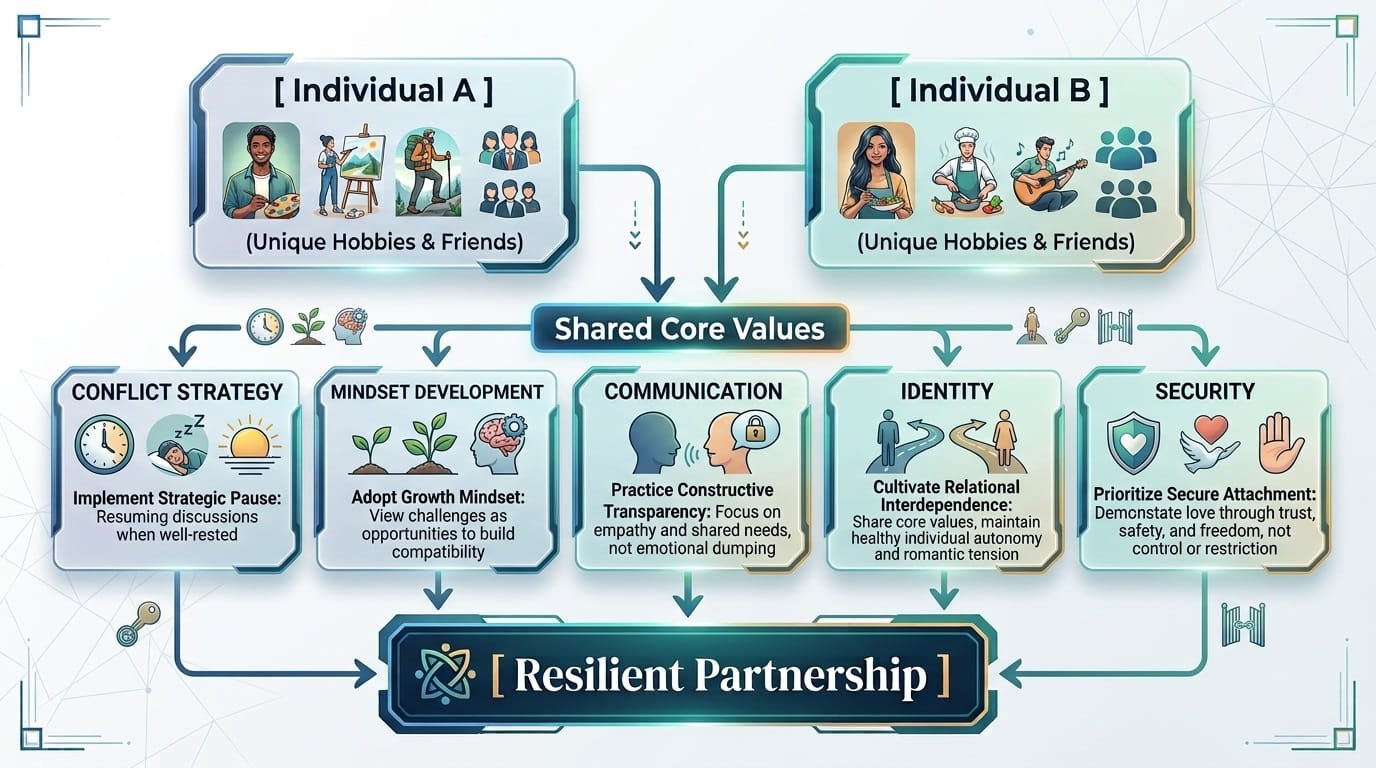



[…] just want different things. If a painful relationship has made it hard to trust again, taking time to heal emotionally can help you get ready for a healthier […]
[…] timeline. Healing can take weeks, months, or longer depending on the relationship, circumstances, emotional attachment, and available support. Focus on gradual progress instead of expecting a specific […]