



Swiping for an hour can leave you more tired than hopeful. A kind first date may ghost without explanation. You wonder if standards rose, if apps broke courting, or if you are simply unlucky. If modern dating feels hard, you are not alone. Many singles describe exhaustion, ambiguity, and emotional whiplash – not because they fail at love, but because today’s dating landscape mixes endless choice, fast communication, and old human needs for trust and clarity. This article names common challenges compassionately and points toward steadier footing.
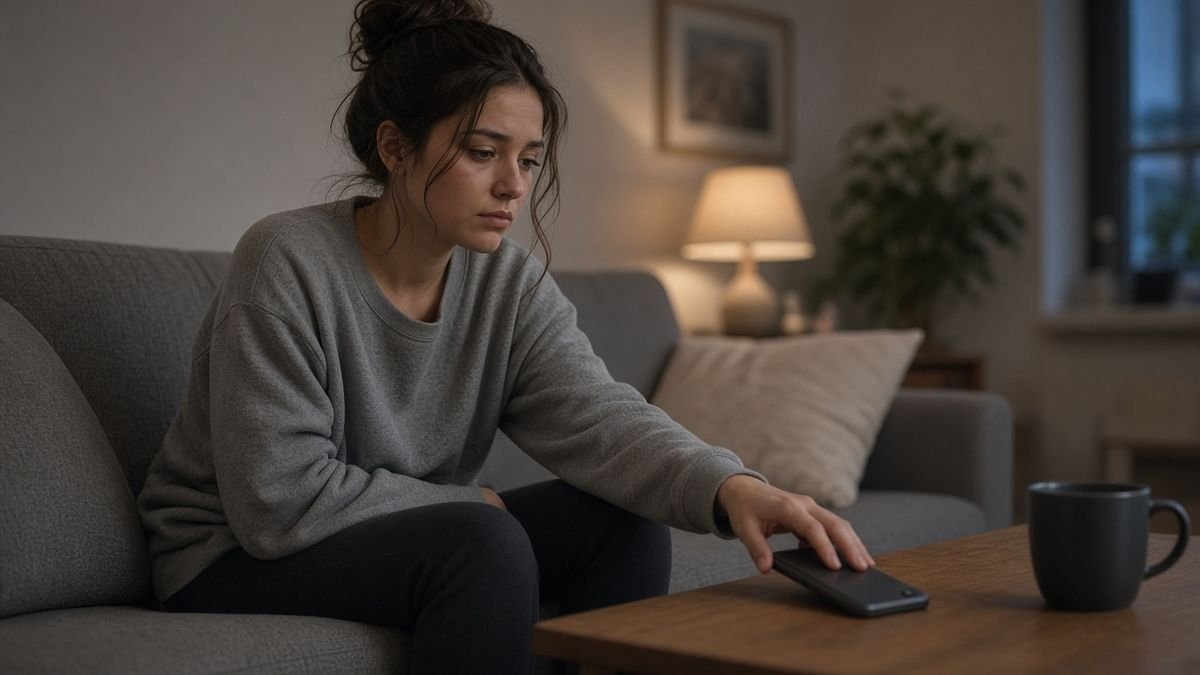
Why Dating Can Feel Harder Than It Used to
Dating apps expanded the pool but also the paradox of choice. When options feel infinite, second-guessing grows. Small flaws can feel like reasons to keep searching, while genuine connection needs time to develop. Our earlier exploration is dating really getting harder walks through similar tensions with nuance.
Communication speed outpaces emotional pacing. You can text all day before meeting, feel close, then discover in person that chemistry or values do not match. That gap hurts because brains treat early intimacy as meaningful (APA Dictionary: attachment style). Ghosting and breadcrumbing add uncertainty that keeps nervous systems on alert.
Common Dating Challenges Today
Unclear intentions
Labels vary: talking, situationships, exclusive without saying exclusive. Without clarity, both people guess and often guess wrong. Direct questions feel risky but reduce months of confusion.
Performance pressure
Profiles, photos, and witty openers encourage marketing more than meeting. Authenticity may arrive late, after both people are tired of performing.
Pace mismatch
One person wants daily contact; another wants space to focus on work or healing. Neither is automatically avoidant or clingy. Mismatch becomes pain when unspoken.
Carrying past hurt forward
Previous betrayal or neglect can make new kindness feel suspicious. Hypervigilance protects briefly but blocks trust unless named gently with a new partner or therapist.
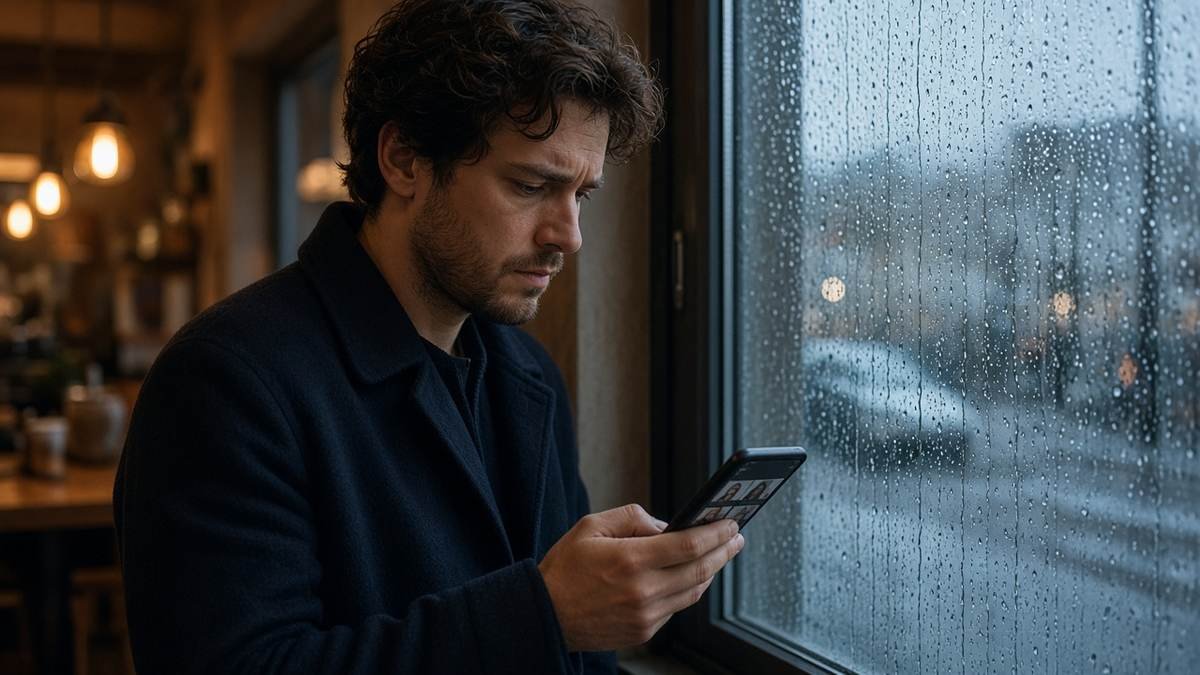
Emotional and Physical Toll of Dating Stress
Rejection and ambiguity register as social stress. Sleep, appetite, focus, and mood can shift when dating consumes mental space (APA: stress). That mind-body link matters for singles too: racing thoughts before a date or stomach knots after a slow reply are common stress responses, not proof you should quit dating entirely.
Protect baseline health: regular meals, movement, friend time, and limits on app hours. Mental health resources emphasize self-care and support when stress persists (NIMH: caring for your mental health). Dating works better when your life outside romance stays nourished.
Modern Dating Friction: What Helps vs. What Hurts
| Challenge | Often makes it harder | Often helps |
|---|---|---|
| Endless swiping | Treating people as disposable; no rest days | Time limits, fewer matches, in-person focus |
| Early intimacy | Future-tripping before trust is tested | Pacing affection with consistent actions over weeks |
| Conflict avoidance | Ghosting instead of honest closure | Short, kind clarity: “I do not feel a match” |
| Boundary gaps | Saying yes to every date out of fear | Clear availability and values upfront |
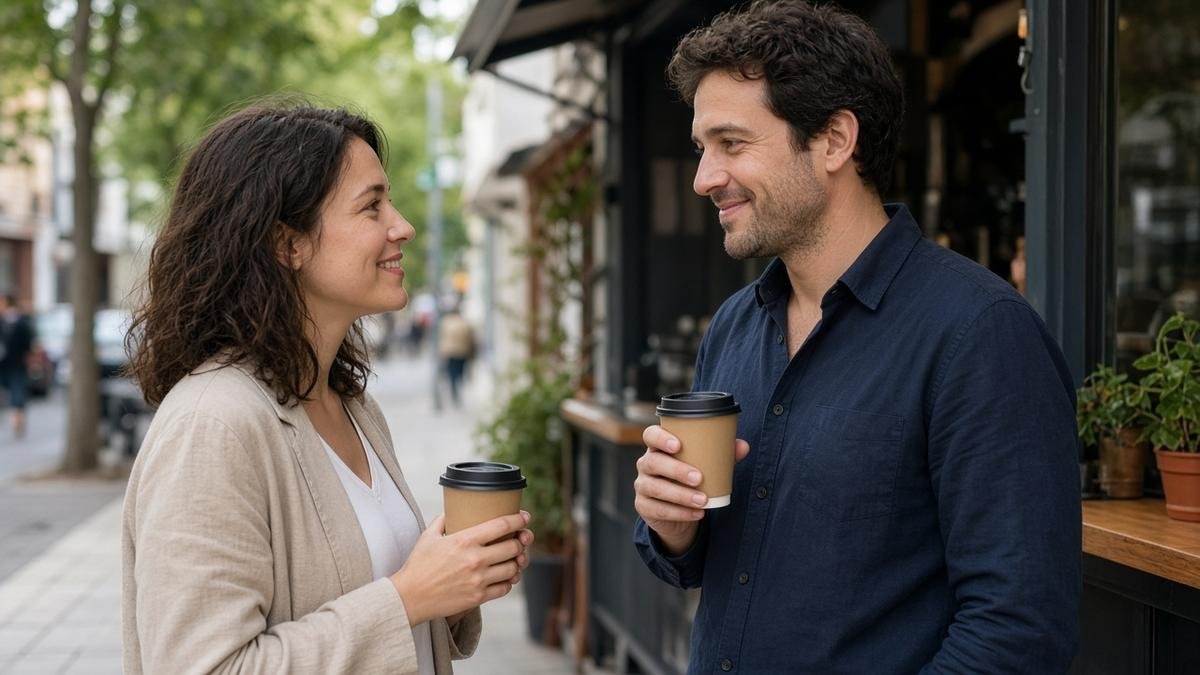
Skills That Transfer From Dating to Partnership
Dating is practice for relationship skills you will need later: asking for clarity, tolerating uncertainty, recognizing red flags, and honoring green ones. Trust-building principles from committed couples still apply early – consistency, respect, and repair after small ruptures. See building trust in relationships for foundations that start before labels appear.
If you tend to merge quickly, learn about healthy space before exclusivity (personal space in relationships). If arguments repeat with new people, patterns may precede the partner (repeating arguments). Therapy or journaling can separate old wounds from present facts.
When dating turns into a defined relationship, habits from keeping relationships healthy and navigating hurdles together become relevant. Vulnerability, paced wisely, deepens connection (vulnerability and mental health).
A Gentler Mindset for Hard Seasons
Hard dating seasons do not mean you are unlovable. They may signal misalignment between your values and your methods – apps when you prefer community events, casual pacing when you want commitment, or silence about needs when clarity would save energy. Adjust one variable at a time and observe.
Research on adult attachment reminds us that people seek security in bonds across life stages (attachment in romantic relationships). Modern tools do not erase that wiring; they complicate the path. Compassion for yourself attracts partners who also value kindness. If isolation grows, reach for support (NIMH: find help).

Video: Navigating Modern Dating With More Clarity
Replace the placeholder below with your chosen video embed.
Final Thoughts
Modern dating feels hard because humans want steady love in a fast, ambiguous marketplace. Naming that truth reduces shame. Choose clearer boundaries, slower pacing where needed, and communities that reflect your values. The goal is not winning an app game; it is meeting someone who builds mutual growth with you over time. Progress often looks quieter than viral success stories, and quiet progress still counts.
Read next in our Dating and Relationships sections on Love Supports.
How to Date With Intention When Modern Dating Feels Hard
When modern dating feels hard, intention beats volume. Choose one clear goal for the next month: more face-to-face dates, fewer overlapping chats, or better screening questions. Tell yourself what enough effort looks like so apps cannot set the pace for you.
Protect recovery time between dates. Emotional fatigue often comes from stacking hope, waiting, and rejection without a pause. A short reset after a disappointing match keeps you kinder and clearer for the next conversation that matters.
Frequently Asked Questions
Why does modern dating feel exhausting even when I meet nice people?
Volume, ambiguity, and emotional pacing gaps tire the nervous system. Nice individual interactions still sit inside a stressful system of choice overload and unclear next steps.
Are dating apps the main reason dating feels harder?
Apps amplify choice and speed but are not the only factor. Culture, past hurt, local social opportunities, and personal boundaries all shape difficulty too.
How soon should I ask what someone wants from dating?
Many people ask after a few positive interactions, when basic safety and interest exist. Frame it curiously: “What are you hoping dating looks like for you this year?”
Is it normal to feel anxious between dates?
Yes, uncertainty commonly triggers anxiety. Use grounding skills, limit rumination time, and lean on friends. Persistent anxiety may benefit from professional support.
How do I know when to take a break from dating?
Consider a break if apps harm sleep or mood, you resent people you have not met, or you cannot show up authentically. Rest can be strategic, not failure.



[…] More context lives in whether modern dating is getting harder and why it feels so hard day to day. […]