



The shouting stops, the room gets quiet, and you are left with a knot in your stomach. Recovering emotionally after a difficult argument is its own skill. It is not about pretending nothing happened or pushing for a quick hug to make the feeling go away. It is about calming your body, repairing trust, and learning from what happened. This guide walks through four stages you can follow after any hard fight.

Why the After Matters More Than the Fight
Relationship researcher John Gottman has noted that happy couples often have arguments that are not pretty, with sharp words and defensiveness. What differs is that they find a way to recover and talk about it. That ability is the major goal, not perfect communication. Stress can also linger in the body, and the APA’s guide to stress explains how it affects mood and behavior.
If every fight leaves a residue of hurt that never gets cleaned up, small injuries pile up. Over time, couples may start to dread conflict or avoid each other. If that pattern feels familiar, why couples keep having the same argument may help you see what is underneath.

The Four Stages of Recovery
| Stage | Timing | What helps | What to avoid |
|---|---|---|---|
| 1. Calm the body | First 20 to 60 minutes | Slow breathing, walking, water, space | Texting angry follow-ups |
| 2. Make sense of it | Same day or next morning | Writing down feelings and needs | Rehearsing a case against your partner |
| 3. Repair together | When both are calm | Apology, listening, shared plan | Demanding an instant apology |
| 4. Reconnect and learn | Next few days | Affection, humor, small changes | Pretending it never happened |
Stage 1: Calm the body
A hard argument sets off a stress response. Heart rate rises, thoughts speed up, and the world feels sharper. You cannot reason well in that state, and neither can your partner. Take a real break of at least twenty minutes. Walk, stretch, breathe slowly, or splash cool water on your face. Say before you leave, “I need a pause so I can talk calmly. I will be back at nine.”
Stage 2: Make sense of it
When your body settles, ask yourself three questions. What exactly happened? What did I feel underneath the anger, such as hurt, fear, or embarrassment? What do I need? Try writing a few lines. This is not a trial transcript. It is a way to find the real message under the noise. It also helps to ask what part you played, even if it was small.
Stage 3: Repair together
A good repair has three parts. First, each person shares how they experienced the fight without blaming. Second, each owns something they would do differently. Third, you agree on one small change. Here is a simple script.
Repair script
“I do not like how things got between us. When you raised your voice, I felt scared and shut down. I also snapped at you, and I am sorry for that. Can we talk about what each of us needs next time?”
Repair attempts also include humor, a touch, or a plain “Can we start over?” and they work best when the friendship is strong. Gottman’s team found that the quality of the friendship determines whether a repair lands, a point explored in the video below. For ideas on handling disputes, see resolving disputes in partnerships.
Stage 4: Reconnect and learn
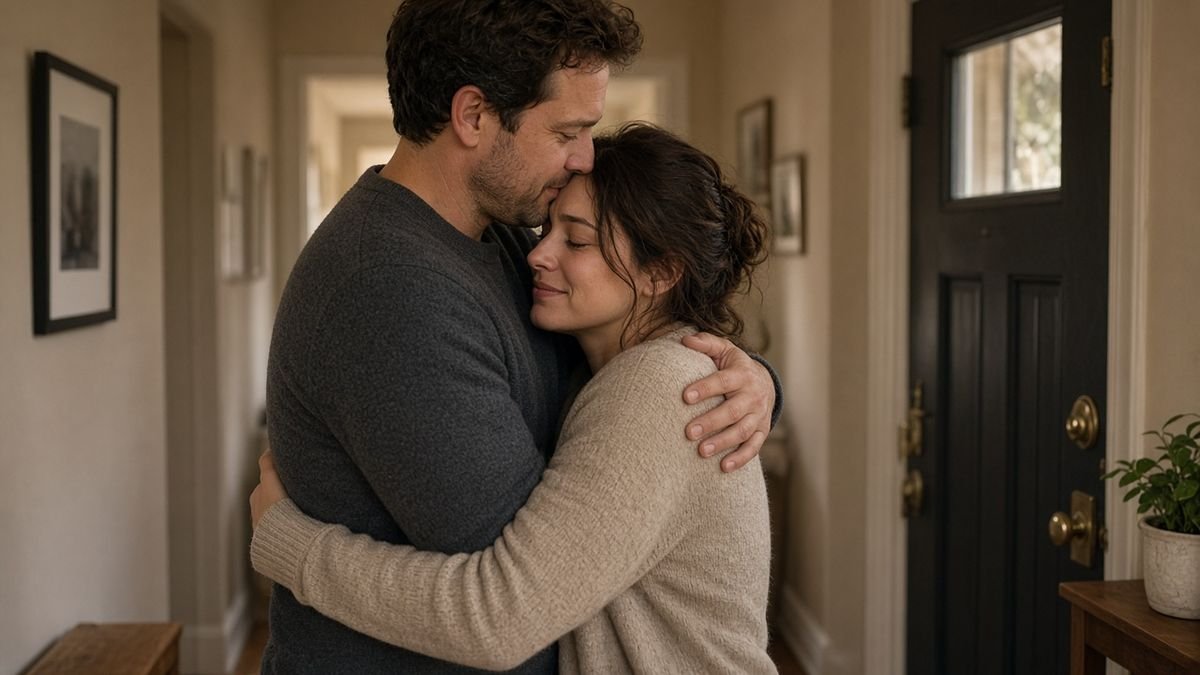
Repair is not the finish line. After you resolve the issue, add warmth back. Cook together, take a short walk, or do something that reminds you why you chose each other. Then name one lesson, such as “Money talks go better in the morning,” and write it down. A small change prevents a repeat. Appreciation also matters, since couples tend to do better when positive moments outnumber negative ones, as described in Gottman’s magic ratio.
When Old Hurts Resurface
Sometimes an argument reopens an old wound, like a past betrayal, a comment about your family, or an unfair division of work. If one of you keeps returning to the past, ask what is still unresolved instead of treating it as nagging. Why a partner keeps bringing up the past looks at this pattern with care.
Tips for the quieter partner
If you tend to shut down, say so. “I go quiet when I am overwhelmed, and it does not mean I do not care.” Offer a time to return. A partner who understands your pattern is less likely to read silence as rejection.
Tips for the more expressive partner
If you tend to push for resolution right away, practice waiting. Let your partner have time to settle. Staying kind during conflict helps both of you, and essential tips for staying kind offers more ideas.

Take Care of Yourself, Too
Recovery is also personal. Sleep, eat, move your body, and talk to a trusted friend. If low mood, anxiety, or sleeplessness lasts for weeks, consider professional support (NIMH: caring for your mental health). If you want to read about rebuilding trust over time, see building trust in relationships.
Video: Relationship Repair That Works
Dr. John Gottman explains why some couples recover from bad arguments while others do not, and what makes a repair attempt succeed.
Final Thoughts
Recovering emotionally after a difficult argument means giving your body time, making sense of your feelings, repairing together, and reconnecting with care. A rough fight does not have to define the relationship. What you do next can make it stronger.
Explore more guides in Relationships and Dating.
Frequently Asked Questions
How long does it take to recover after an argument?
It varies. Your body may need twenty minutes or more to settle, while emotional hurt can take hours or days. Give yourselves time, and use a small repair rather than waiting for the feeling to vanish.
Should we talk about the fight right away?
Only if both of you are calm. If emotions are still high, take a break first. A short, kind check-in such as “I still care about you, and I want to talk when we are both ready” is better than a rushed talk.
What if my partner will not apologize?
Apologies come easier when people feel safe. Share how the argument affected you without demanding a specific apology, and name your own part. If a partner never takes responsibility over time, a counselor can help you both.
How do I stop replaying the argument in my head?
Write down what happened, what you felt, and what you need. Then do something physical or absorbing, like a walk or a shower. Rumination often eases when your body calms and your needs are named.
Is it normal to feel distant after a big fight?
Yes. Distance is a common after-effect of stress and hurt. Small gestures of warmth, such as a hug, a shared meal, or a kind message, often help closeness return.
When is an argument a sign of something more serious?
If fights involve threats, intimidation, or fear, or if recovery never happens, seek support from a professional or a local service. Emotional safety should never be negotiable.