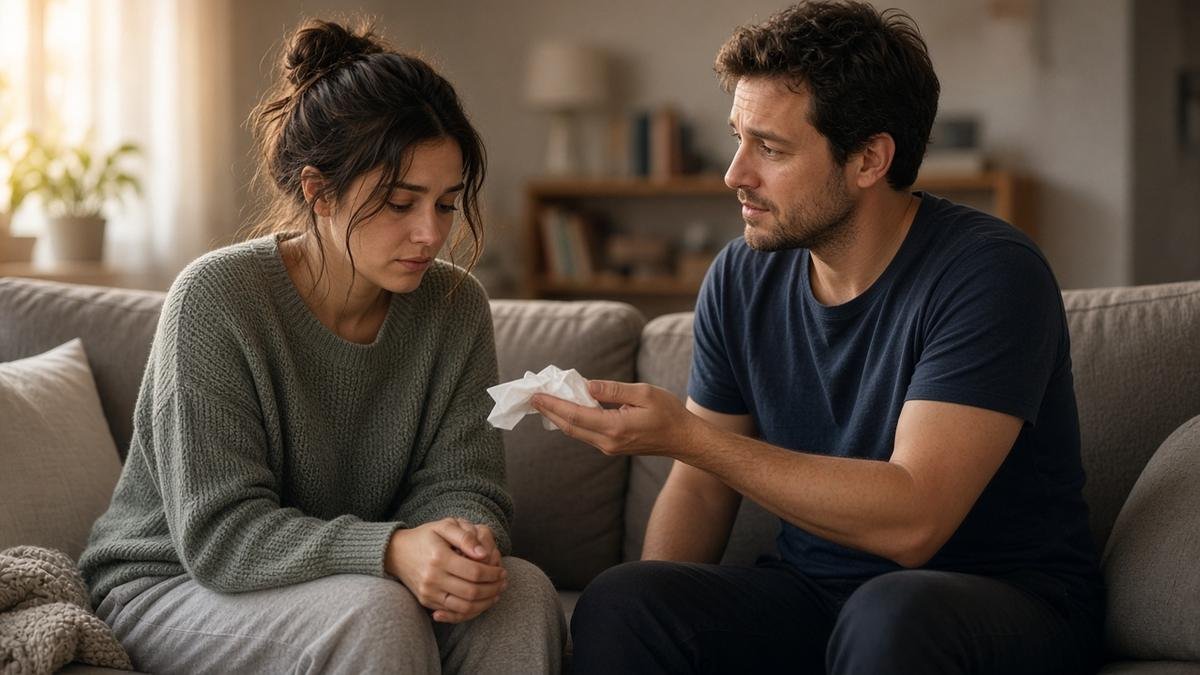



When life closes in, many couples and parents stay indoors by default: screens, chores, and tense conversations in the same four walls. Spending time outdoors can improve your well-being by giving stress somewhere to go and giving relationships a softer place to reconnect.

Why Outdoor Time Helps Emotional Availability
Natural light, movement, and a change of scenery can interrupt rumination. That matters for love because rumination fuels overthinking and short tempers. Reviews summarized by sources such as the APA on nature and mental health suggest outdoor contact can support mood and attention.
Outdoor resets also pair well with mind-body awareness in the mind-body connection in relationships and stress skills in healthy everyday stress management.
Outdoor Habits That Strengthen Couples and Families
The after-work walk
Before diving into logistics, walk fifteen minutes together. Side-by-side talking often feels safer than a face-to-face debrief on the couch. Many couples share hard news more calmly outdoors.
Phone-free park time
Take a blanket, leave notifications at home, and protect a short window of undivided attention. Outdoor dates do not need to be elaborate to restore closeness.
Family outdoor pockets
Kids burn stress through play. Parents borrow some of that relief. Even a short outdoor pocket can prevent evening meltdowns from stacking. Emotional connection skills from emotional communication activities for children travel well on walks.

Indoor-Only Evenings vs Outdoor-Reset Evenings
| Focus | Indoor-only pattern | Outdoor-reset pattern | Likely result |
|---|---|---|---|
| After work | Immediate chores and screens | Short walk first | Softer tone at home |
| Couple talk | Argue on the couch tired | Walk and then decide | Less flooded conflict |
| Parenting | Cabin tension rises | Outside play break | Easier bedtime |
| Dating | Same cafe every time | Park or trail date | Fresher energy |
| Mood | Ruminate indoors | Light and movement | Wider emotional range |
A Simple Outdoor Well-Being Plan
- Choose a default outdoor slot: morning light, lunch break, or post-dinner walk.
- Keep a low-friction option for bad motivation: shoes by the door, a nearby loop.
- Invite your partner with a clear time and purpose: “Ten-minute reset walk.”
- Use outdoor time for appreciation as well as problem-solving.
- Track mood for two weeks and notice what changes in patience at home.
Dating and outdoor connection
Early dating can feel staged indoors. Outdoor plans reduce performance pressure and show how you both handle ordinary life. A walk also makes silence less awkward while still building connection.

Make Outdoor Time Inclusive and Realistic
- Match activity to energy and mobility needs.
- Have indoor backup movement for severe weather without abandoning the habit.
- Do not turn nature time into another competitive self-improvement project.
- Protect safety and comfort so outdoor time stays restorative.
If conflict follows you outside, the setting alone will not fix the pattern. Repair skills from resolving disputes still matter.
Outdoor Time as Conflict Prevention and Repair
Spending time outdoors can improve well-being partly because it changes the stage of conflict. Hard talks in a cramped kitchen gather heat quickly. The same talk on a walk often stays proportioned. Movement gives the body a task, which can keep emotions from flooding as fast.
Use outdoor time for appreciation, not only problem-solving. Point out something beautiful, thank your partner for a specific effort, or let kids lead a silly mission to find interesting rocks. Positive outdoor memories become resources you can borrow on tense indoor days.
If weather, safety, or mobility limits long outings, think in micro-doses: balcony coffee, open-window breathing, or a parking-lot lap before entering the house. The nervous system still notices light, air, and a change of context. Perfect nature access is not required for relationship benefit.
Couples in long-distance or heavy travel seasons can still use outdoor video walks: each person outside in their own city, sharing what they see. It sounds simple, and it often restores a sense of shared life that texting alone cannot create.
Make outdoor time a weekly default
Put one outdoor block on the calendar the same way you would put a bill reminder. Defaults beat inspiration. Couples who wait to feel like going outside often stay inside and wonder why evenings feel stale.
Use outdoor minutes to practice appreciation. Name one effort you noticed in your partner or child. Fresh air plus specific thanks is a simple formula for better emotional climate at home.
If resentment has built around who always plans recreation, take turns choosing the outdoor activity. Shared agency matters. One partner should not become the entertainment director while the other only criticizes the plan. Outdoor well-being works better when both people help create it.
Outdoor time also helps after apologies. A short walk after repair can reseal the bond through shared forward motion. Many couples remember the walk more than the exact words, which is useful when memory of conflict is sharp. Keep the walk light so repair can land.

Video: How Nature Affects Your Brain
This PBS segment explores how nature contact can affect the brain and support calmer mental states.
Final Thoughts
Spending time outdoors can improve well-being by lowering stress and creating easier conditions for warmth with a partner, children, or someone you are dating. Start with short, repeatable outdoor moments. Consistency beats epic hikes you never take.
For sleep and mood that pair with outdoor light habits, continue with how better sleep can improve your mood.
Explore more guides in Relationships and Dating.
Frequently Asked Questions
How can outdoor time improve well-being in a relationship?
Fresh air and movement often lower stress, which makes listening and affection easier. Shared outdoor time also creates low-pressure conversation for couples and families.
What if we only have ten minutes outdoors?
Ten minutes still helps. A quick walk around the block after dinner can reset mood more than another hour of scrolling on the couch.
Do outdoor dates help when romance feels flat?
Often yes. Side-by-side walking or a park picnic can feel easier than a formal dinner when both of you are tired. Novelty outside the house also refreshes attention.
How can parents use outdoor time with kids?
Keep it simple: backyard play, a local trail, or a sidewalk scooter loop. Outdoor minutes reduce household cabin tension and create natural bonding.
Is outdoor time a replacement for therapy or medical care?
No. Nature can support mood, but it does not replace professional help when depression, anxiety, or relationship crisis needs treatment.