



Children learn emotional language the way they learn reading – through practice, play, and patient adults beside them. Lectures about feelings rarely stick; experiences do. Emotional communication activities for children turn abstract ideas like “frustrated” or “left out” into something kids can see, say, and share with you. This guide offers age-flexible activities you can weave into ordinary days without turning home into a classroom.
Why Activities Beat Only Talking About Feelings
Emotion involves body signals, thoughts, and social meaning (APA Dictionary: emotion). Activities give all three a channel. Positive parenting approaches encourage responsive play and routine connection (CDC: positive parenting tips). When you practice together, you also model how emotional communication between parents and children feels safe and normal.
These exercises support broader goals: better parent-child communication, stronger emotional trust, and fewer dead ends when a child says “I don’t know.”
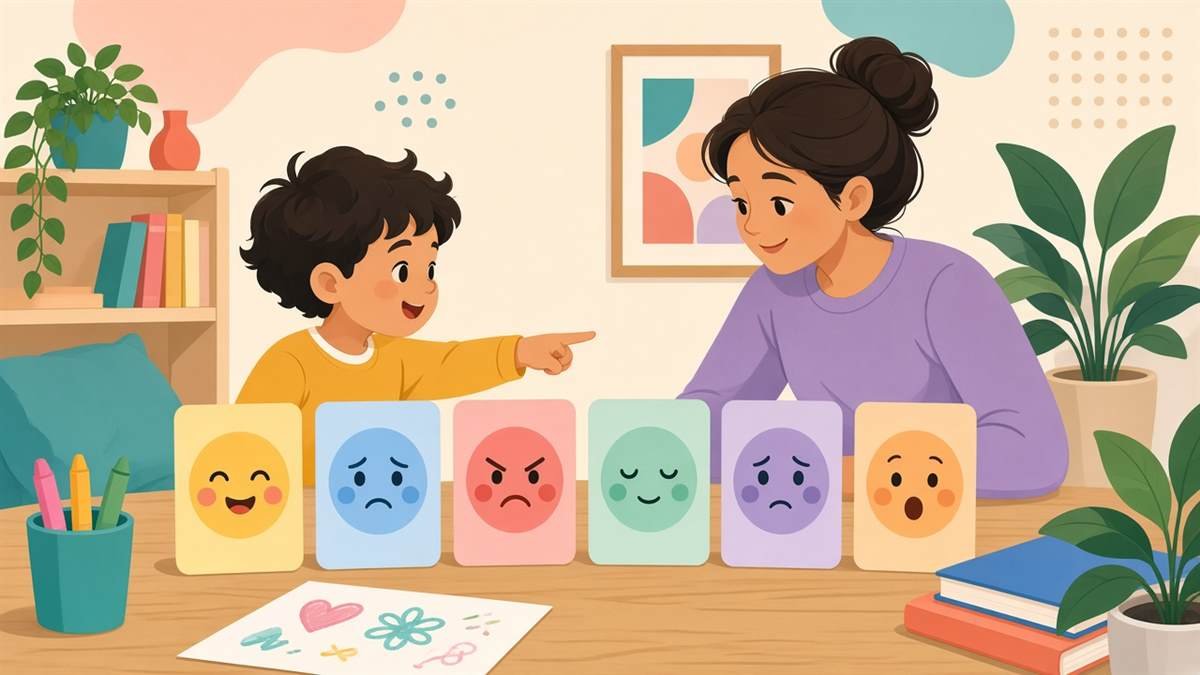
Activities You Can Start This Week
Feeling weather report
Each person shares a “weather” mood at dinner (stormy, sunny, cloudy). No fixing required – only listening and validation.
Story rewrite
After a book or show, ask how a character felt and what they needed. Invite your child to invent an alternate ending with kinder communication.
Body map coloring
Draw an outline and color where feelings show up (tight chest, buzzy hands). Names the physical side of emotions without pressure to perform.
Compliment and challenge jar
Slips of paper note one proud moment and one hard moment daily. Read a few on weekends to spot patterns and celebrate growth.
Games for Deeper Skills
Try “emotion charades” with faces and body language only. Use a timer for “two-minute listen” where one person talks and the other repeats back the main feeling heard. Older kids can journal with prompts from helping children express feelings guides. Keep competition light; the win is understanding, not points.
When big anger appears, pause active games and shift to calming routines. Later, role-play what angry words wanted to say safely. Pair with strategies from talking to an angry child so practice does not re-trigger fights.

Matching Activity to Goal
| Child need | Try this activity | Parent focus |
|---|---|---|
| Limited vocabulary | Emotion cards, synonym ladder | Introduce one new word weekly |
| Shuts down verbally | Drawing, clay, music mood playlist | Describe what you notice, do not interrogate |
| Conflict with siblings | Team problem-solving poster | Facilitate; let kids propose fixes |
| Anxiety about school | Morning routine storyboard | Validate worry; plan one coping step |
Make Activities Inclusive and Safe
Let children opt out without penalty. Some days they may pass on sharing; trust grows when no means no. Avoid comparing siblings’ openness. Watch for signs of deeper struggle – see signs your child is struggling to communicate emotions – and adjust intensity or seek support.
Parenting science stresses warmth and structure together (APA: parenting). Activities fit inside that frame: predictable time, kind tone, clear boundaries if play gets rough. Tie lessons back to real life: “Remember when we played weather report? Today felt stormy at pickup – want to talk?”
For integrated family habits, read emotional communication for stronger relationships. If mood symptoms persist beyond playful practice, learn when to escalate care (NIMH: child and adolescent mental health).
Activities for Busy Weeks
Five-minute versions count. Sticker a feeling face on the calendar each night. Hum a song that matches mood at breakfast. Text an emoji check-in to a tween who prefers phones. The point is repetition, not length.
Link activities to chores: sorting laundry by color becomes sorting feelings into mad, sad, glad piles on paper. Cooking together allows talk without forced eye contact. Movement breaks after homework can include “shake out the frustration” rituals before sit-down conversations.
Invite children to lead once a month. They pick the game, explain rules, and debrief what they learned. Leadership builds ownership of emotional skills instead of passively receiving lectures.
Bridging Activities to Real Conflicts
After role-play, name the bridge explicitly: “When your brother grabbed the controller, it was like the puppet scene – you felt replaced.” Bridges help children transfer skills from play to living room fights.
Debrief losses and wins in sports or games to normalize mixed feelings. “You worked hard and still lost” validates effort and disappointment together. That combo prevents the myth that only happy endings deserve words.
Keep a simple log on the fridge: activity tried, one insight learned. Patterns emerge over months – which tools your child reaches for when nerves spike before tests or sleepovers.
Adapting Activities for Different Temperaments
High-energy kids may need movement-based games – emotion relay races, charades with jumping, or drumming out frustration before words. Quiet children may prefer drawing, sticker charts, or whisper conversations in a blanket fort. Match activity to nervous system, not to Pinterest ideals.
Gifted or academically focused kids sometimes intellectualize feelings (“I logically should not be sad”). Activities ground emotion back in body and story. Ask what the feeling wants them to do, not only what they think about it.
Blended families can use neutral activities – new board games, shared recipes – to build emotional safety without forcing instant closeness. Activities create neutral territory where talk can grow slowly.
When an Activity Surfaces Heavy Topics
If a drawing shows violence or sadness, stay calm. Ask open questions: “Tell me about this part.” Do not panic-display, which teaches hiding. Follow your safety plan if content suggests harm to self or others, and consult professionals when needed.
Thank your child for sharing hard images. That gratitude reinforces honesty more than immediately shutting the activity down.
Keeping Activities Fresh
Rotate formats monthly so novelty prevents boredom. If weather reports fade, try music moods or comic strips about the day. Ask children which activity they outgrew and what they want next. Co-created plans increase buy-in and keep emotional practice from feeling like homework assigned by adults. Even a five-minute swap can refresh motivation when kids say activities feel babyish.
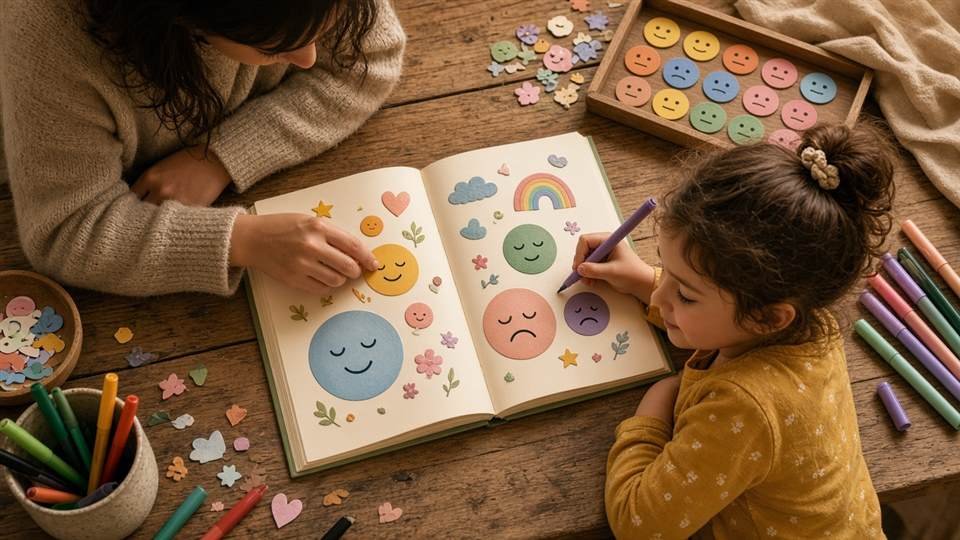
Video: Family Activities That Build Emotional Vocabulary
Replace the placeholder below with your chosen video embed.
Final Thoughts
Emotional communication activities are not extras – they are how many children learn to speak the language of their inner world. Keep sessions short, playful, and consistent. Celebrate small brave shares. Over time, feelings move from hidden to discussable, and your relationship becomes the safest place to practice.
Frequently Asked Questions
What age should we start emotion activities?
Toddlers can begin with simple faces and naming basic feelings. Adjust complexity as language grows; teens may prefer journals or music over games.
How often should we do these exercises?
Short, regular beats rare marathons. Two or three brief moments per week often stick better than one long session.
My child says activities are silly. What now?
Respect taste. Offer choices, use their interests (sports, art, games), and model without forcing participation.
Can schools use the same ideas?
Many teachers use similar tools. Align language with school counselors so children hear consistent messages.
When should activities not be enough?
If distress persists, interferes with sleep or friendships, or includes self-harm talk, seek professional guidance via NIMH find help or your pediatrician.




[…] shared activities from emotional communication activities to practice vulnerability in low-stakes ways. Improve everyday habits with parent-child […]