



A short night rarely stays only in the bedroom. It shows up as a sharp reply to your partner, less patience with your child, and zero energy for dating or repair talks. Understanding how better sleep can improve your mood helps couples and parents treat rest as emotional infrastructure.
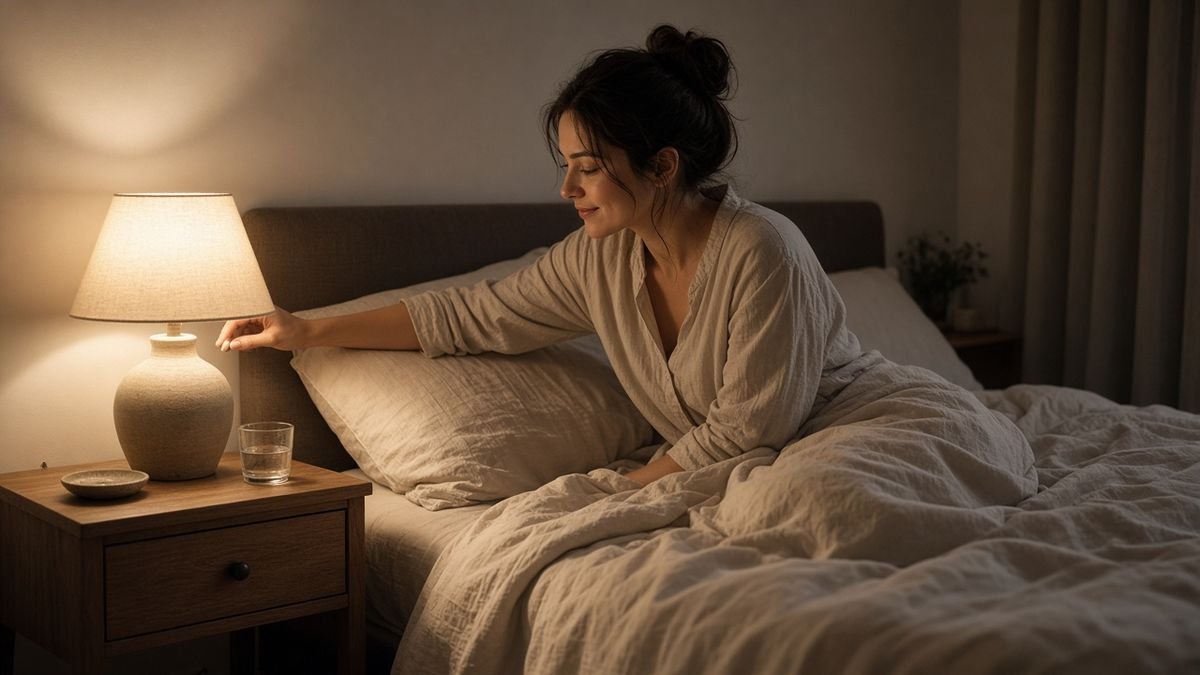
Sleep Is a Relationship Resource
When sleep is short, threat detection gets louder and generosity gets quieter. Ordinary requests sound like criticism. The NHLBI overview of sleep deprivation links poor sleep with mood and thinking changes that couples feel immediately at home.
Sleep also sits inside the wider mind-body pattern described in mind-body relationship in health psychology. Protecting rest is one of the most practical ways to protect love.
How Poor Sleep Shows Up With People You Love
With a partner
You interrupt more, apologize less, and postpone affection. Conflict repair gets delayed because both of you are too tired to be wise.
With children
Bedtime battles escalate. Morning transitions feel harsh. Kids borrow the emotional weather of tired adults.
While dating
Exhaustion makes every plan feel like work. You may cancel, go numb, or misread slow replies as rejection because your nervous system is depleted.

Sleep-Deprived Evenings vs Better-Rested Evenings
| Moment | Sleep-deprived pattern | Better-rested pattern | Relationship gain |
|---|---|---|---|
| Greeting | Grunt and scroll | Brief warm check-in | Felt connection |
| Conflict | Quick escalation | Slower, clearer talk | Fewer regrettable words |
| Parenting | Threat-level tone | Firmer and calmer | Safer climate for kids |
| Affection | Too tired to reach | Small touches return | More intimacy potential |
| Problem-solving | Catastrophize | Prioritize one issue | Team confidence |
A Couple-Friendly Sleep Improvement Plan
- Pick a shared target wind-down time, even if sleep times differ slightly.
- Make the bedroom boring in a good way: cooler, darker, quieter, fewer screens.
- Move hard talks earlier. Do not start major conflict at midnight.
- Limit caffeine late in the day and watch alcohol, which fragments sleep.
- Review sleep as a team weekly: what helped, what sabotaged rest.
Scripts that protect sleep and closeness
- “I want to talk about this, and I will be kinder tomorrow after sleep. Can we pause until after dinner tomorrow?”
- “I am not rejecting you. I am protecting rest so I can be present.”
- “Let us split the early morning so both of us get one longer stretch.”
Clear scripts stop sleep needs from sounding like emotional abandonment. Space and care can coexist, a theme also found in why giving each other space can help.

When Sleep Issues Mirror Relationship Issues
Sometimes the bed is tense because the relationship is tense: unresolved conflict, different desire levels, or anxiety about the next day. Improving sleep hygiene helps, and so does emotional repair. If nights are full of dread or distance, consider couples counseling signs.
Sleep Debt, Mood Swings, and Misread Intentions
Better sleep can improve your mood by reducing the misread intentions that tired brains produce. A neutral face looks cold. A delayed text looks like rejection. A child’s noise looks like defiance. Catching sleep debt early prevents a week of unnecessary relationship stories.
Build a pre-bed boundary around conflict. Agree that after a set hour, you can name a topic and schedule it, but you will not litigate it. This is not avoidance. It is sequencing. Morning brains usually negotiate with more generosity than midnight brains.
Travel, newborns, and shift work require compassion and creativity rather than perfect hygiene rules. In those seasons, protect whatever sleep is possible through swaps, blackout options, and lower expectations for nonessential tasks. Temporary survival mode should be named as temporary so it does not become your couple identity.
Notice the mood gain as motivation. When a rested day leads to an easier bedtime or a warmer date night, say it out loud. Couples sustain sleep habits longer when they connect rest to relationship wins, not only to abstract health goals.
Sleep as shared emotional hygiene
Think of sleep as emotional hygiene for the relationship. You would not expect kindness to flourish without food. Do not expect patience to flourish without rest. Say that framing out loud so sleep protection sounds like love rather than rejection.
If nightmares, racing thoughts, or partner snoring wreck rest, solve it as a team problem. Separate blankets, ear plugs, a couch night during illness, or a medical check can all be acts of care. Suffering silently in the same bed helps nobody.
Better sleep also supports fairer conflict. Tired partners keep score more aggressively and apologize more slowly. Rested partners can admit impact sooner. If your relationship has felt meaner than your values, audit sleep before you decide the love is gone. Sometimes the marriage is exhausted before it is broken.
Make sleep improvements visible in your shared calendar for two weeks. Treat the experiment like a couple project with a review date. When mood and patience improve, you will both have a reason to keep protecting rest.
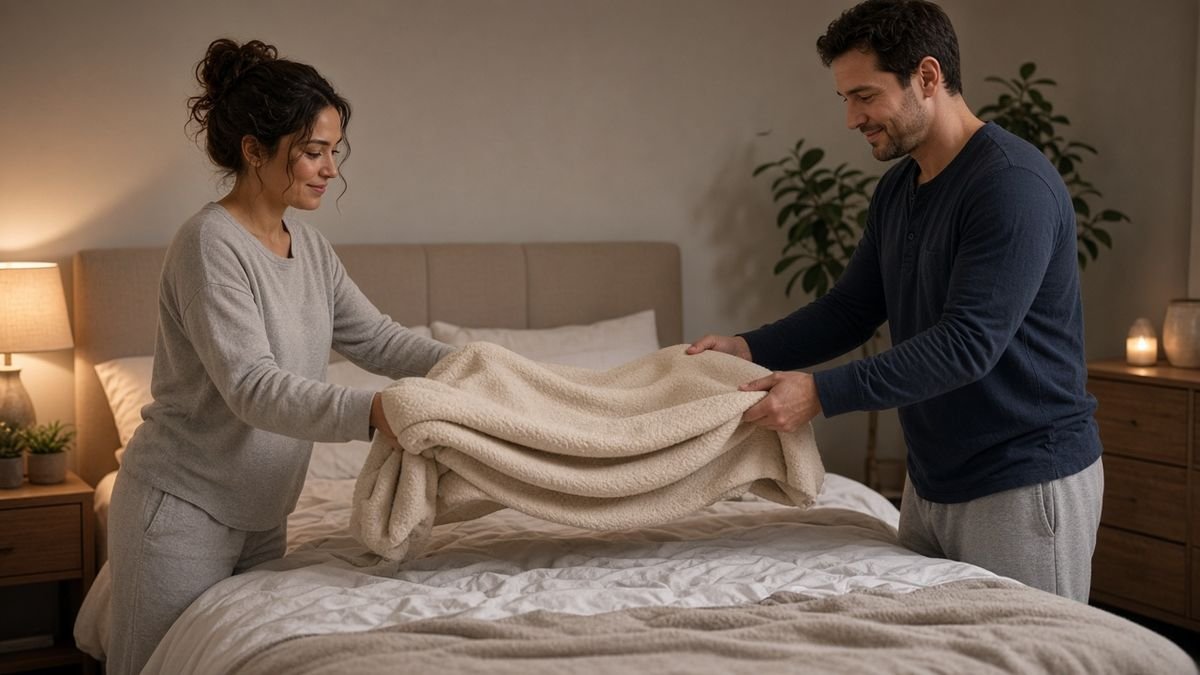
Video: How Sleep Affects Your Emotions
This TED “Sleeping with Science” short explains how sleep shapes emotional reactions in everyday life.
Final Thoughts
Better sleep can improve your mood in ways your partner and children will feel. Protect wind-down time, keep hard talks off the midnight clock, and treat rest as shared relationship care. A better-rested you is usually a more patient, more available you.
For outdoor light habits that support sleep and mood, see spending time outdoors for well-being.
Explore more guides in Relationships and Dating.
Frequently Asked Questions
How does better sleep improve mood in a relationship?
Sleep supports emotional regulation. With more rest, you are less likely to overread tone, snap at small requests, or withdraw from affection.
What if my partner and I have different sleep schedules?
Protect overlap wind-down time, use earplugs or eye masks as needed, and agree on quiet hours. Different schedules can work when respect is explicit.
Can poor sleep hurt intimacy?
Yes. Exhaustion lowers desire and patience. Improving sleep often helps intimacy more than another late-night talk about intimacy.
How can parents protect sleep without ignoring kids?
Share night duty when possible, keep a consistent bedtime routine, and avoid stacking screens after the final wake-up. Team logistics matter as much as willpower.
When should sleep problems push us toward professional help?
If insomnia lasts for weeks, snoring includes gasping, or mood stays low despite better habits, talk with a clinician. Sleep and mental health often need joint attention.



[…] For sleep and mood that pair with outdoor light habits, continue with how better sleep can improve your mood. […]