



Daily exercise is often sold as a body project, yet many couples notice the emotional payoff first. After a walk or short workout, voices soften, patience returns, and bedtime with kids feels less explosive. Understanding how daily exercise supports emotional well-being helps you treat movement as relationship care, not only fitness.

Why Movement Changes the Emotional Climate at Home
Stress sits in muscles and breath. When it stays stuck, partners misread tone and parents overreact. Moderate activity can improve mood and sleep quality, which then supports emotional availability. The CDC overview of physical activity benefits includes mental health advantages alongside physical ones.
Exercise also intersects with the mind-body loop described in mind-body relationship in health psychology and mind-body connection in relationships.
Relationship-Friendly Ways to Move Daily
Solo movement that still helps the couple
A morning walk alone can make you a better partner by dinner. Tell your partner the plan: “I am taking twenty minutes so I come home softer.” Framing exercise as care for the relationship reduces guilt and negotiation fights.
Shared movement as a date
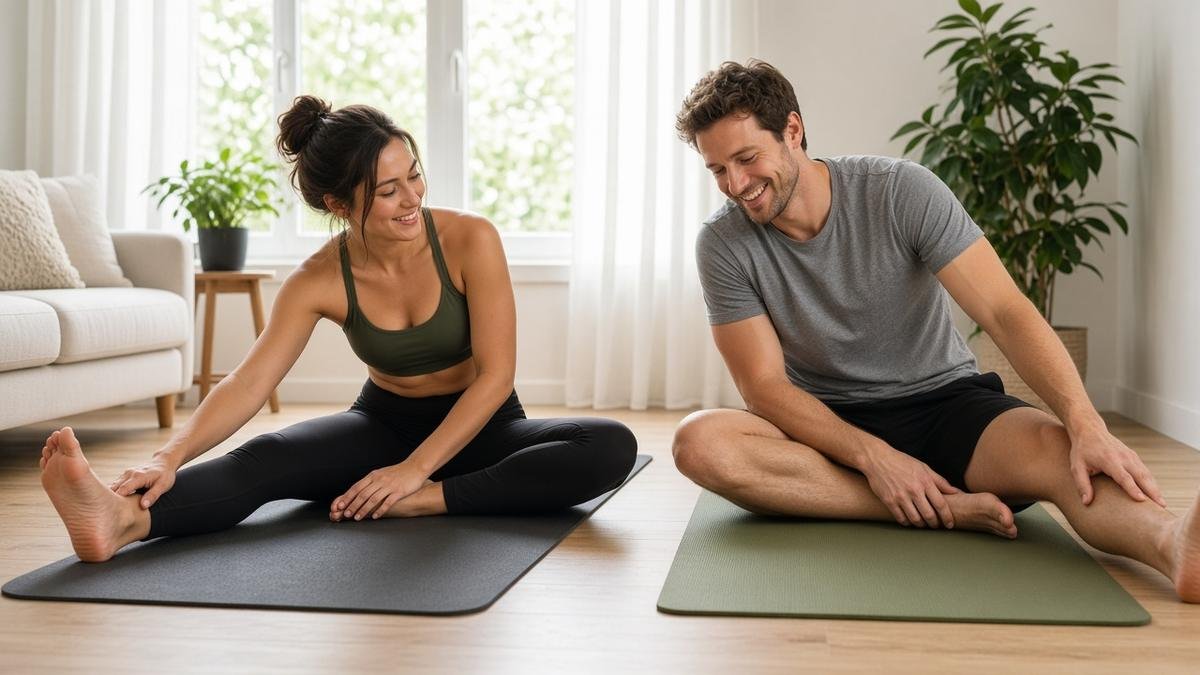
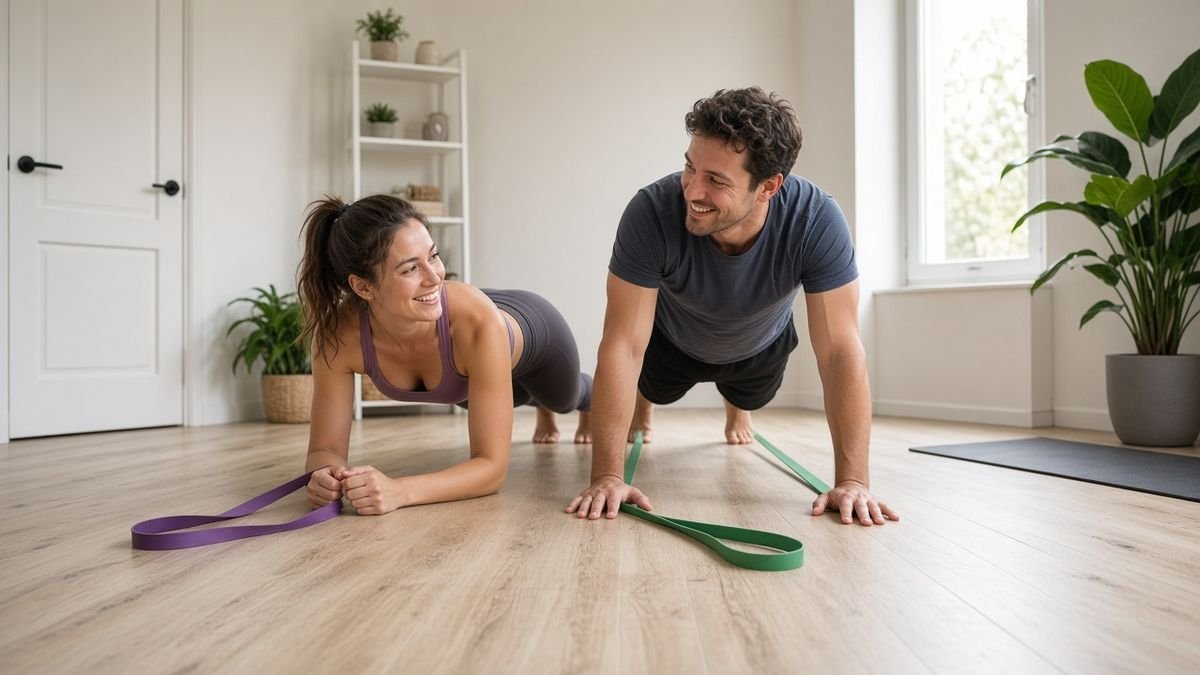
Couples walks, easy bike rides, or a beginner class can rebuild friendship energy. Conversation often flows better side by side than face to face after a hard day.
Family movement
Kids need active adults more than perfect athletes. A post-dinner stroll or living-room stretch can reset the whole household mood.
Sedentary Stress Cycle vs Active Reset Cycle
| Evening pattern | Sedentary stress cycle | Active reset cycle | Likely relationship effect |
|---|---|---|---|
| After work | Couch and scrolling | Short walk or stretch | Softer greeting |
| Conflict | Sit and stew | Cool-down walk, then talk | Less flooded fighting |
| Parenting | Rush indoors all evening | Outdoor play pocket | More patience |
| Sleep | Late screens | Earlier movement, earlier wind-down | Better next-day mood |
| Dating | Cancel from fatigue | Light activity date | More present energy |
A Simple Daily Movement Plan for Busy Relationships
- Pick a floor of ten minutes. Anything above that is a bonus.
- Attach movement to an existing cue: after coffee, after school drop-off, or after dinner.
- Tell your household when you move so it is protected, not squeezed out.
- Use movement to regulate before hard talks whenever possible.
- Celebrate consistency weekly instead of punishing missed days.
When exercise and intimacy interact
Better mood and body comfort can support desire, but pressure to “get fit for your partner” often backfires. Keep motivation kind. Shared health goals work best when both people choose them freely. For intimacy struggles beyond fitness, see why couples struggle with eroticism and intimacy.

Avoid Turning Fitness Into Another Fight
- Do not police your partner’s body or workout choices.
- Do not use gym time as silent punishment after conflict.
- Do not compare progress in ways that shame.
- Do keep agreements about childcare coverage during workouts.
Clear logistics prevent movement from becoming another source of resentment. If conflict around time and priorities is common, kind conflict habits help.
Movement, Mood, and Emotional Availability
Daily exercise supports emotional well-being partly by giving anger and worry a physical pathway out. After movement, many people can hear feedback without defending as hard. That single change can soften a household. If evenings are tense, experiment with moving before the hardest conversation of the day.
Make the habit visible in a kind way. A shared calendar block labeled “reset walk” is clearer than disappearing and hoping your partner guesses you are caring for the relationship. Clarity prevents the workout from being misread as avoidance, especially if avoidance has been a pattern in conflict.
For dating, active plans can reveal compatibility around energy, patience, and play. They also reduce the pressure of constant eye contact over drinks. If chemistry is real, you will still feel it on a walk. If the connection only works with distraction and alcohol, that is useful information.
Remember recovery. Overtraining while life is stressful can worsen mood and shorten fuse. Emotional benefits usually come from sustainable movement, not punishment workouts. Choose activities you can still do during busy parenting weeks. Consistency is the relationship gift.
Exercise as co-regulation for parents
Parents often wait for a free hour that never arrives. Use micro-movement with kids: dance while dinner cooks, stretch during cartoon transitions, or race to the mailbox. These bursts support mood and model that bodies help emotions.
If guilt appears when you exercise alone, remember that a regulated parent usually offers warmer attention later. Explain the why to older kids in simple terms so they learn that adult self-care can serve family life rather than steal from it.
Track mood for two weeks alongside movement. Many couples are surprised by how often a short walk precedes a softer conversation. Use that evidence in your household negotiations. Data from your own life is more persuasive than generic fitness advice when someone feels too busy to move.
Finally, keep exercise goals flexible during grief, illness, or newborn weeks. The win may be a five-minute stretch beside a crib. Emotional well-being is served by compassionate consistency, not by rigid streaks that collapse into shame and couple conflict.
Video: Exercise and Mental Wellbeing
Joe Wicks talks about why exercise matters for mental wellbeing in straightforward, practical language.
Final Thoughts
Daily exercise supports emotional well-being by giving stress a physical exit and returning you to your partner, children, or dating life with more capacity. Start small, protect the habit out loud, and let movement serve connection rather than competition.
For stress skills that pair with movement, continue with managing everyday stress in a healthy way.
Explore more guides in Relationships and Dating.
Frequently Asked Questions
Does exercise really help emotional well-being in a relationship?
Often yes. Movement can lower stress chemicals and improve mood, which makes listening and patience more available with a partner or kids.
What if my partner and I have different fitness levels?
Choose shared activities that fit both, like walking, or exercise separately and reconnect afterward. Comparison contests usually backfire.
How much daily exercise is enough for mood benefits?
Even 20 to 30 minutes of moderate movement most days can help many people. Consistency matters more than intensity for emotional benefits.
Can exercise become an escape from relationship problems?
It can. If workouts always replace hard talks, use movement to regulate, then return to the conversation. Fitness should support closeness, not avoid it.
Should parents exercise with children?
Family walks, dance breaks, and backyard play count. Shared movement teaches kids that bodies help emotions, and it creates easy bonding time.