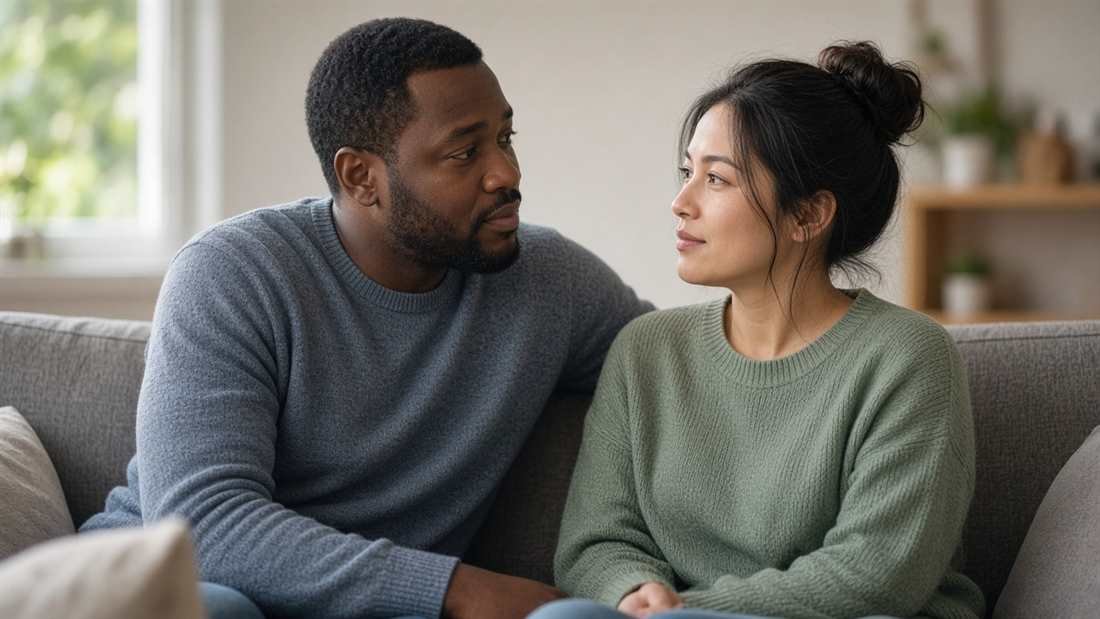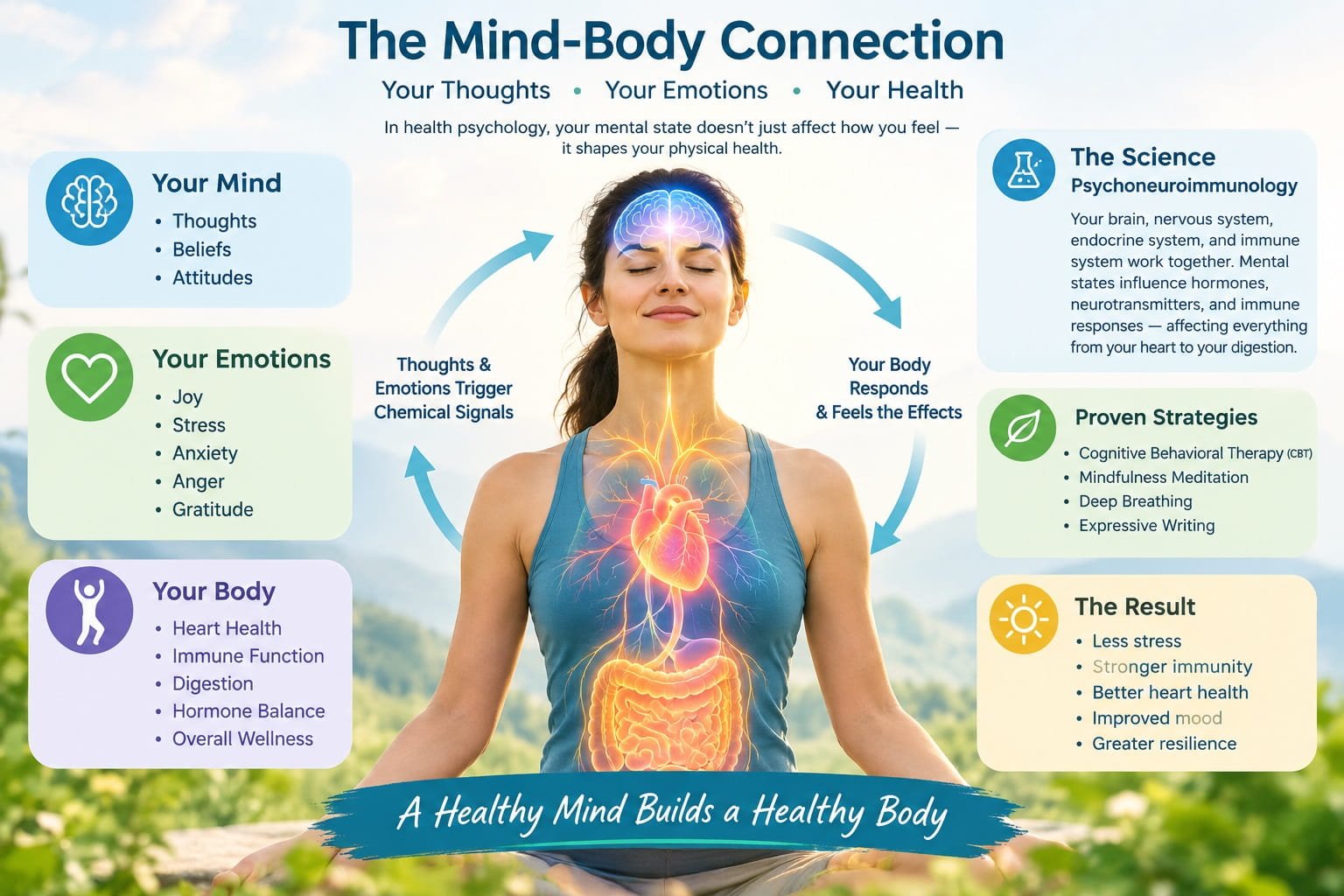




If your relationship feels stuck in the same painful patterns, you are not alone – and asking for support is not a sign of failure. Couples counseling is structured talk therapy that helps partners understand recurring problems, communicate more clearly, and decide how to move forward together. Below you will find ten common signs professional help may be useful, what benefits counseling can offer, what research suggests about outcomes, and how to take a thoughtful next step.
What Is Couples Counseling?
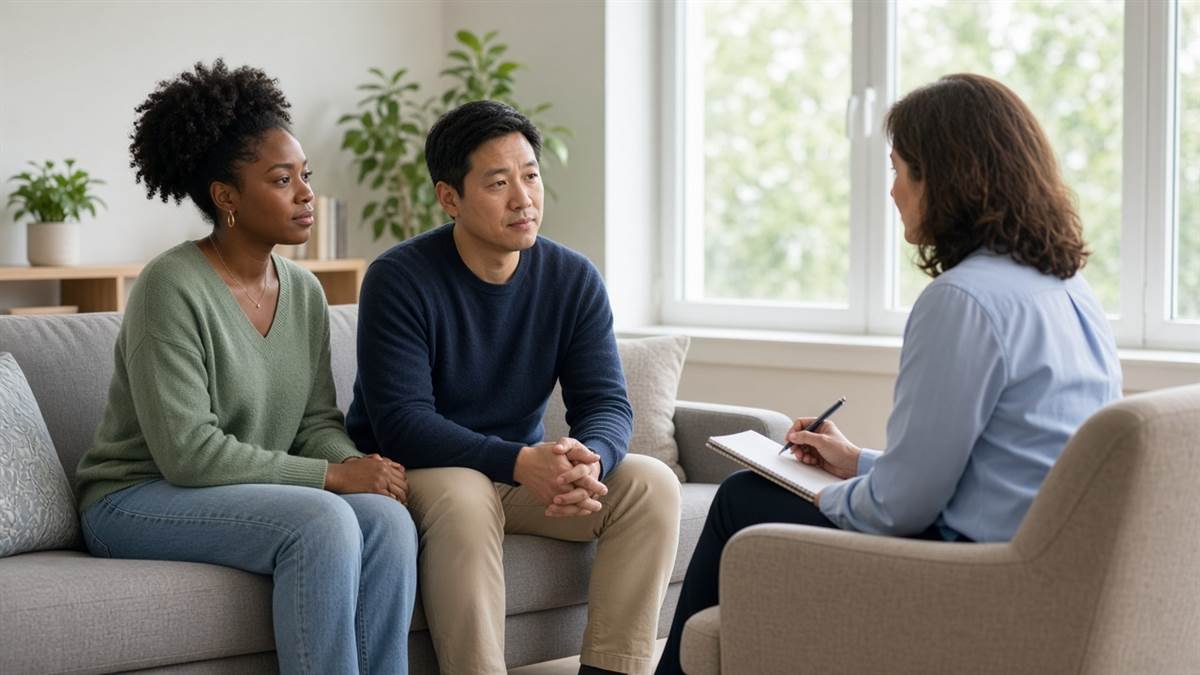
Couples counseling – also called couples therapy or marriage counseling – focuses on the relationship as the “client.” A trained clinician helps partners notice interaction patterns, express needs more safely, and practice healthier responses. Unlike individual therapy, which centers one person’s inner experience, couples work examines how both partners fuel the cycle between them, while still respecting each person’s history, stress, and boundaries.
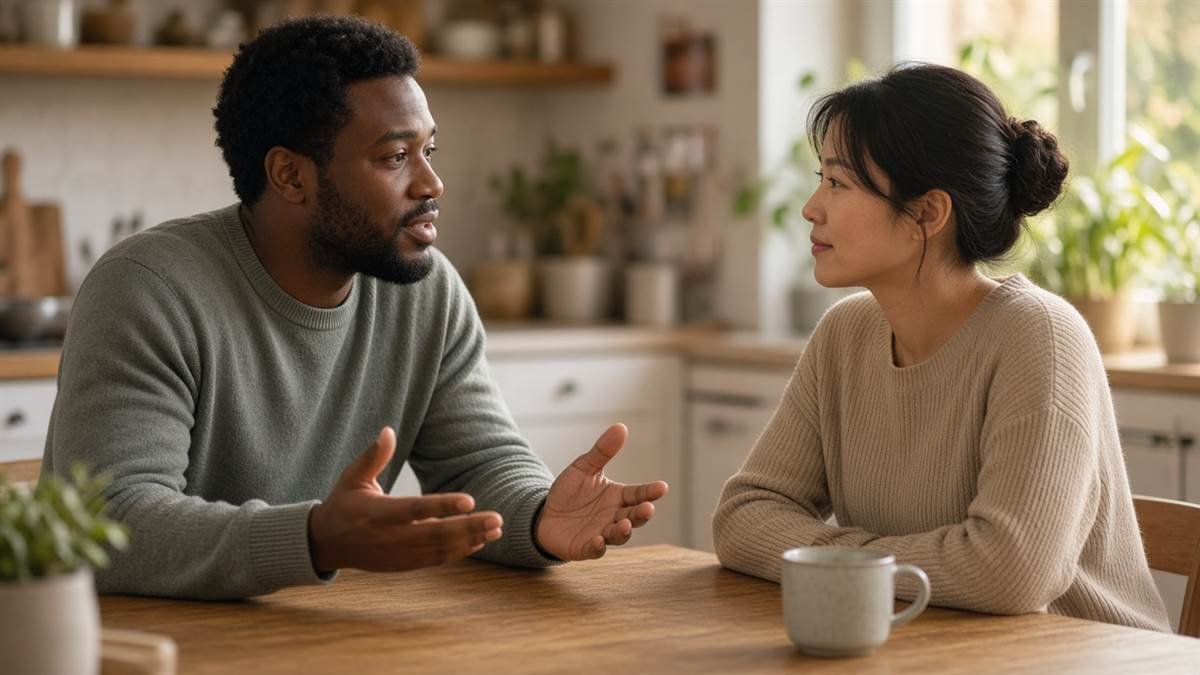
10 Signs Your Relationship May Benefit From Couples Counseling
These signs are invitations to reflect – not proof that a relationship is broken. Many couples improve some issues on their own; counseling helps most when patterns feel stuck or increasingly hurtful.
1. You Keep Having the Same Arguments
Repeating fights about money, chores, parenting, or closeness usually means a deeper need – feeling unheard or unsupported – is going unmet. A counselor can help you map the cycle. Try naming the pattern (“We escalate, then shut down”) before debating who is right. For more on this pattern, see why couples keep having the same argument.
2. Communication Has Become Difficult
Criticism, defensiveness, sarcasm, or long silences make talking feel unsafe. Couples counseling for communication issues teaches slower listening, clearer “I” statements, and repair after rupture. Schedule a short weekly check-in with one topic and a time limit.

3. Trust Has Been Damaged
Broken agreements, secrecy, or betrayal can leave partners scanning for danger. Counseling can structure honesty, accountability, and gradual reconnection. Start with one transparent daily habit you can keep. Our guide on building trust in relationships offers practical support alongside therapy.
4. You Feel Emotionally Disconnected
Feeling like roommates – polite but lonely – is a common reason to seek relationship counseling. Distance often grows through missed bids for attention. Ask one curious, non-logistics question each day to reopen emotional contact.
5. Small Problems Turn Into Major Conflicts
When a small frustration becomes a fight about respect, unresolved stress is usually stacked underneath. Practice a brief pause when either of you feels flooded, then return within an agreed time.
6. Resentment Is Building Up
Unspoken scorekeeping hardens into contempt. Therapy offers a safer place to name unfairness and renegotiate roles. Write down one unmet need and one blame-free request.
7. Intimacy or Affection Has Changed
Shifts in affection or sexual connection often reflect stress, resentment, or fear of rejection – not a lack of care. Begin with low-pressure closeness, such as a short daily hug or shared wind-down time.
8. Major Life Changes Are Creating Stress
Jobs, moves, illness, parenting, grief, or money stress can overwhelm even strong couples. In-person or online couples counseling can help you navigate change as a team. Agree on one shared weekly planning conversation.
9. You Struggle to Resolve Conflicts
Loud fights and total avoidance both leave issues unfinished. After a disagreement, each of you can share one thing you heard and one thing you still need. Additional tools appear in strategies for couples facing relationship hurdles.
10. You Want to Strengthen Your Relationship Before Problems Escalate
You do not need a crisis to benefit from couples counseling. Preventive work can deepen friendship and clarify expectations. Choose one skill – listening, appreciation, or fair fighting – and practice it for two weeks. Quieter erosion patterns are covered in silent relationship killers many couples overlook.
Quick Comparison: When Self-Help May Be Enough vs When Counseling Helps
Use this table as a practical guide – not a diagnosis. If safety is a concern, skip joint counseling and seek individual specialist support first.
| Situation | Often manageable together | Counseling may help more |
|---|---|---|
| Arguments | Occasional disagreements that end with repair | Same fight repeats weekly with no resolution |
| Communication | Hard talks feel tense but still possible | Talking turns into shutdown, sarcasm, or walking away |
| Trust | A small misunderstanding that is clarified quickly | Broken agreements, secrecy, or betrayal linger |
| Connection | Busy seasons with temporary distance | You feel like roommates for months |
| Conflict intensity | Emotions rise, then both partners cool down | Small issues explode, or hard topics are avoided entirely |
| Motivation | Both partners can try new habits at home | You feel stuck, confused, or unsafe trying alone |
What Are the Benefits of Couples Counseling?
Common benefits of couples therapy include clearer communication, better emotional understanding, stronger conflict-management skills, and – when both partners engage – support for rebuilding trust and resetting expectations. Counseling can also help partners decide whether to recommit or separate with less hostility. Outcomes are not guaranteed; progress depends on safety, motivation, therapist fit, and the concerns involved. Everyday habits from how couples can keep a relationship healthy can reinforce what you practice in sessions.
Does Couples Counseling Work?
Short answer: Research shows couples therapy can improve relationship satisfaction and related skills for many distressed couples, though results vary and are not guaranteed.
A 2020 meta-analysis found large average gains in relationship satisfaction from before to after couple therapy, with measured improvements in communication and emotional intimacy (Roddy et al., 2020, Journal of Consulting and Clinical Psychology). Broader reviews note that behavioral and emotion-focused approaches help a substantial share of distressed couples in controlled research, while real-world results can be more modest and gains may fade for some couples over time (Bradbury and Bodenmann, 2020 review). The American Psychological Association also recognizes couple/family psychotherapy within the broader evidence base for psychotherapy (APA resolution on psychotherapy effectiveness). In short, counseling often helps when both partners can participate safely and practice between sessions – but it is not a quick fix.
When Should You Consider Professional Help?
Consider help when conversations regularly escalate or shut down, trust feels fragile, or life stress keeps straining the partnership. Look for a licensed clinician with specific couples training, and ask about approach, fees, and online options if access is a barrier. For general guidance on finding care, see the National Institute of Mental Health’s help-finding resources and NIMH’s overview of how psychotherapy works.
Safety note: Standard joint counseling may not be appropriate when there is coercive control, intimidation, threats, or abuse. Prioritize individual specialist support and safety planning. Conjoint treatment should proceed only after careful private assessment of safety (APA summary on couples therapy and intimate partner violence). If you are in immediate danger, contact local emergency services.
What Happens During a Couples Counseling Session?
Formats vary, but many therapists begin with goals, history, and your conflict cycle. Early sessions set ground rules; later work may include structured conversations, emotion-focused exercises, and homework. Some clinicians briefly meet each partner separately when clinically appropriate. Online sessions follow a similar process over secure video when both partners have private, stable access. For everyday conversation skills while you decide, see supportive conversations for modern couples.
A Helpful Video on Couples Therapy
This educational lecture from Dr. Diane R. Gehart explains cognitive-behavioral couple and family therapy concepts in accessible language – useful if you want a clearer picture of structured couples work.
Final Thoughts
Couples counseling is not about assigning blame; it is about understanding the pattern you share and learning safer, clearer ways to respond. If several signs above feel familiar, consider a consultation with a qualified couples therapist – or start with one honest conversation about what each of you needs.
FAQs About Couples Counseling
Here are common questions people ask when they search for signs that a relationship may need professional help.
1. What are the biggest signs you need couples counseling?
Common signs include repeating the same arguments, communication that feels unsafe or shut down, damaged trust, emotional distance, rising resentment, and conflict that never gets resolved. You do not need every sign to benefit from support.
2. When should a couple seek counseling?
Seek counseling when patterns feel stuck, hurt keeps repeating, or you want skills before problems escalate. Earlier help is often easier than waiting for a full crisis.
3. Does couples counseling work if only one partner is willing?
Joint counseling works best when both partners participate. If one partner will not attend, individual therapy can still help with boundaries, coping, and clearer decisions.
4. How long does couples counseling usually take?
Some couples notice clearer communication within several sessions. More complex trust or long-term conflict issues often need longer. Ask your therapist for goals and a review plan.
5. What is the difference between couples counseling and marriage counseling?
In everyday use, the terms are largely interchangeable. “Marriage counseling” often refers to married partners, while “couples counseling” includes dating, engaged, married, and long-term partners. The clinical focus is typically similar.