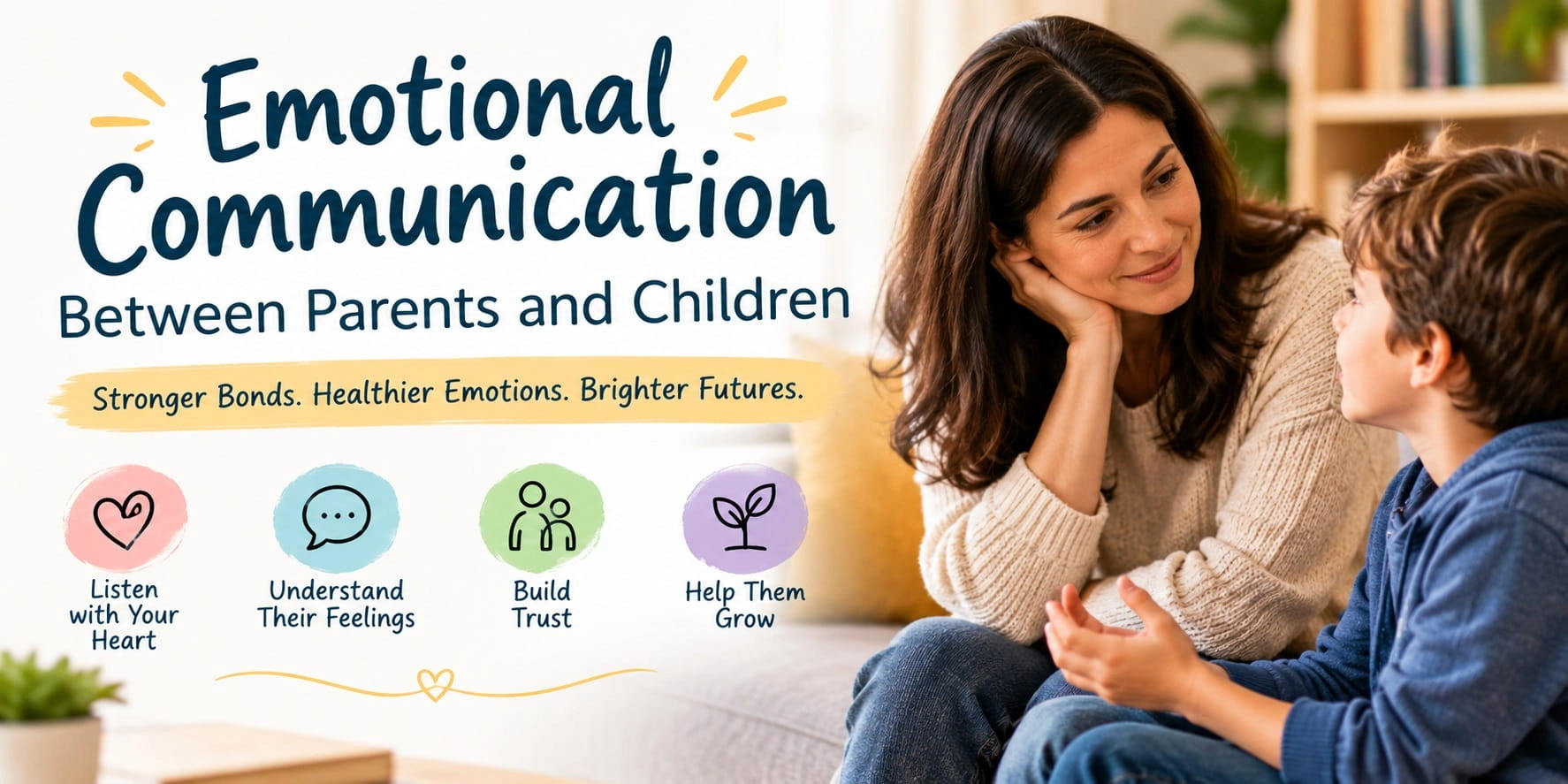




Anxious attachment is a relationship pattern marked by fear of abandonment, sensitivity to distance, and a strong need for closeness and reassurance. Many people with this pattern love a caring, dependable partner and still worry about rejection, delayed replies, or sudden emotional distance. This guide explains how anxious attachment can show up with a secure partner, and how both of you can build more emotional security without blame.
What Is Anxious Attachment?
People with anxious attachment often notice small changes quickly: a shorter text, a quieter mood, or a partner needing alone time. Those moments can activate worry even when the relationship is otherwise stable. Research links higher attachment anxiety with greater sensitivity to stress and relationship threat in daily life (Simpson and Rholes on adult attachment and stress; Sheinbaum et al. on attachment in daily life). The APA describes attachment style as a characteristic way people relate in intimate relationships (APA Dictionary: attachment style).

How Anxious Attachment Can Affect a Relationship With a Secure Partner
A securely attached partner is usually consistent, open to conversation, and comfortable with both closeness and independence. That can be deeply healing. It can also feel confusing when anxiety still rises. Delayed replies, busy workdays, or a need for personal space may be ordinary for a secure partner, yet feel like danger to an anxious attachment system.
Important balance: a secure partner cannot erase every internal fear, and you should not dismiss real relationship problems as “just anxiety.” Dishonesty, chronic inconsistency, contempt, or ignored needs are evidence to take seriously. The skill is learning to tell the difference between a trigger and a genuine pattern of harm. For related guidance on healthy distance, see how to ask for space in a relationship.
Trigger vs Real Relationship Problem
| Situation | More likely a trigger | Worth treating as a real issue |
|---|---|---|
| Slow reply | Partner usually follows through and explains delays | Silence is frequent, unexplained, and paired with avoidance |
| Need for space | Space is named kindly with a clear return plan | Distance is used to punish, confuse, or control |
| Conflict | Disagreements end with repair and respect | Concerns are mocked, denied, or repeatedly ignored |
| Trust | Words and actions stay aligned over time | Broken agreements, secrecy, or mixed signals keep happening |
7 Ways to Manage Anxious Attachment With a Secure Partner
1. Recognize Your Attachment Triggers
Notice the moments that spike fear: unread messages, canceled plans, or a partner sounding tired. Name the trigger out loud to yourself: “My alarm is ringing because plans changed.” Awareness creates a pause before protest behaviors like repeated texting or testing.
2. Separate Facts From Fear-Based Assumptions
Write two columns: facts you can verify, and stories your fear is telling. Fact: “They have not replied for two hours.” Story: “They are losing interest.” Secure responding starts by checking the story before acting on it.

3. Communicate Your Needs Clearly
Swap mind-reading for direct requests. Try: “I feel unsettled when plans change suddenly. A quick update helps me stay grounded.” Clear communication supports anxious attachment healing without making your partner guess. More practical tips are in our guide to supportive conversations for couples.
4. Learn to Regulate Your Emotions Before Reacting
When anxiety spikes, calm your body first: slow breathing, a short walk, or a five-minute timer before sending another message. Regulation does not mean ignoring your needs. It means bringing a clearer version of yourself into the conversation.

5. Build Trust Through Consistency and Honest Conversations
Trust grows when both partners keep small promises and talk about ruptures without scorekeeping. Ask for reassurance that is specific and time-bound, then practice believing follow-through when it happens. See also building trust in relationships.
6. Maintain Your Own Identity, Friendships, and Interests
Anxious attachment can shrink life around the relationship. Keep friendships, hobbies, and personal goals active. A fuller life reduces pressure on one partner to soothe every uncomfortable feeling and supports secure attachment in relationships over time.
7. Practice Self-Compassion and Consider Professional Support
Speak to yourself as you would to a friend: “My fear makes sense, and I can choose a steadier next step.” If anxiety repeatedly disrupts sleep, work, or the relationship, therapy can help. NIMH offers guidance on finding mental health support (NIMH: Help for Mental Illnesses).

How a Secure Partner Can Support Someone With Anxious Attachment
Helpful support is collaborative. A secure partner can listen without dismissing fear, offer reasonable reassurance, communicate plans clearly, and stay consistent – while keeping boundaries. No one should be on call for every wave of anxiety or responsible for regulating all of another adult’s emotions. A useful phrase is: “I care about you. I need focused work time until 6, then I am fully with you.” For more on healthy openness, see vulnerability and mental health in relationships.
What to Do When Relationship Anxiety Gets Triggered
Use this simple sequence the next time fear spikes:
- Pause before sending a reactive message.
- Identify the trigger in one sentence.
- Check the facts versus fear-based assumptions.
- Regulate with breathing, movement, or a short break.
- Communicate clearly with one need or one question.
- Revisit calmly later if the issue still matters.
This approach reduces overthinking in a relationship without pretending anxiety never appears. Everyday habits from how couples can keep a relationship healthy can reinforce the process.
Can You Develop More Secure Attachment Over Time?
Yes, many people move toward more secure attachment with practice, supportive relationships, and sometimes therapy. Adult attachment research suggests these patterns influence how we handle stress and closeness, but they are not locked forever (adult attachment and romantic relationships overview). There is no fixed timeline. Progress often looks like shorter panic spikes, clearer requests, and more trust in consistent care.
A Helpful Video on Anxious Attachment
This psychologist-led video explains how anxious attachment can lead to assuming the worst, and how to consider more secure alternative explanations in everyday relationship moments.
Final Thoughts
Anxious attachment does not mean you are “too much,” and a secure partner is not required to carry every fear alone. Security grows when you recognize triggers, communicate needs clearly, regulate before reacting, and honor both closeness and autonomy. If several patterns above feel familiar, start with one practice this week – a pause, a clear request, or a self-soothing habit – and build from there.
Frequently Asked Questions
Can an anxious attachment style work with a secure partner?
Yes. Many anxious-secure pairs build strong relationships when the anxious partner practices self-regulation and clear communication, and the secure partner offers consistency, honest reassurance, and healthy boundaries.
How can I stop overthinking when my partner does not reply?
Pause before assuming the worst, check the facts, use a calming skill, and make one clear request if needed. Then wait for the agreed check-in instead of sending repeated messages.
Why do I feel anxious even when my partner treats me well?
Anxious attachment is often shaped by past inconsistency or fear of abandonment. A caring partner can help, but internal alarm systems may still activate until new patterns of trust and self-soothing are practiced.
How can a secure partner reassure someone with anxious attachment?
Offer specific, honest reassurance, follow through on plans, explain changes clearly, and set kind boundaries. Support works best when it is consistent without making one person responsible for all emotional regulation.
Can anxious attachment become more secure?
Attachment patterns can become more secure over time through self-awareness, supportive relationships, practice, and therapy when needed. Progress is usually gradual and varies by person.
When should I consider therapy for relationship anxiety?
Consider therapy if anxiety frequently disrupts daily life, trust, or communication, or if reassurance seeking, conflict, or fear of abandonment feel hard to manage alone.