



An angry child can trigger a parent’s own surge of frustration in seconds. You want peace, they want to be heard, and the conversation spirals. Learning how to talk to an angry child without making things worse is not about winning silence. It is about safety, co-regulation, and saving the relationship for the talk that comes after bodies calm down.
Anger as Communication, Not Only Misbehavior
Emotion science describes anger as a high-arousal state that narrows thinking until regulation returns (APA Dictionary: emotion). Children’s prefrontal skills are still developing, so meltdowns can outpace logic. Parenting guidance emphasizes staying calm and consistent during stress (APA: parenting). Your tone becomes a blueprint for how they will handle anger later in relationships.
These talks sit inside broader emotional communication between parents and children. They also rely on emotional trust so a child believes you will not punish them for having feelings.

Why Common Responses Backfire
Matching volume
Yelling teaches that power decides truth. It may stop behavior briefly but erodes willingness to share next time.
Immediate problem-solving
Fixing before validation feels dismissive. The child stays angry because nobody named their experience.
Sarcasm or labels
Calling a child “dramatic” or “impossible” adds shame. Shame rarely teaches skill; it teaches hiding.
Interrogation mid-meltdown
Questions like “Why would you do that?” overload a flooded brain. Save debrief for calm – similar to tips when kids say “I don’t know.”
A Calmer Sequence You Can Practice
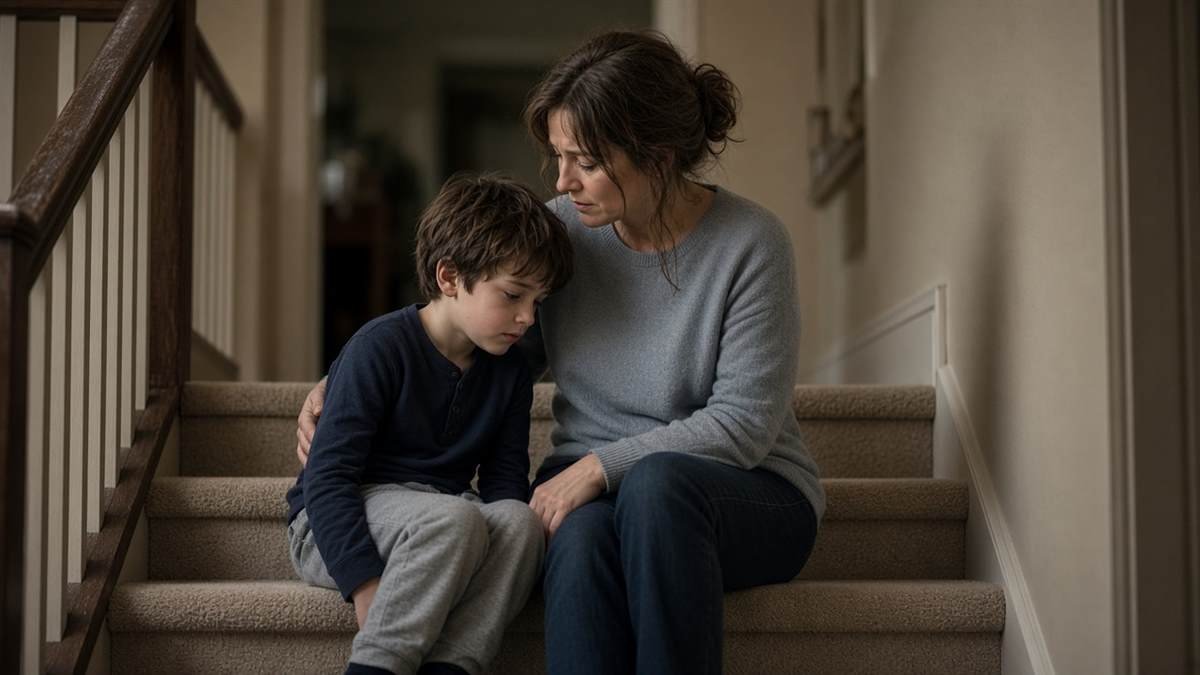
First, ensure physical safety – space, no thrown objects, siblings cleared if needed. Lower your voice and shorten sentences. Reflect feeling without agreeing to harmful behavior: “You are furious. Hitting is not okay. I will stay here while you breathe.”
Offer a regulation tool: water, movement, a quiet corner, or counting together. CDC positive parenting materials note that modeling calm coping helps children learn self-control over time (CDC: positive parenting tips). After calm, review what happened and one skill to try next time. Role-play lightly via communication activities when everyone is rested.

In the Moment: Choices That Help or Hurt
| Child behavior | Often escalates | Often de-escalates |
|---|---|---|
| Yelling insults | Returning insults | Boundary + feeling label + pause |
| Door slamming | Forced immediate talk | Wait, knock, offer reconnect time |
| Throwing objects | Long lecture during peak anger | Remove item, safety plan, brief consequence later |
| Silent rage | Mocking or crowding | Quiet presence; invite words when ready |
After the Storm: Repair and Skill-Building
Repair teaches that anger does not end love. Name what you did well and what you regret: “I stayed calm. I wish I had not rolled my eyes.” Ask what your child needed in the moment. Collaborate on one change – a code word for breaks, a journal, a walk. Improved daily habits from parent-child communication reduce how often anger hits flashpoint.
Frequent explosive anger, sudden personality shifts, or self-harm language deserve professional attention, not only parenting tweaks. Review signs of struggling emotional communication and consult guidance on child mental health (NIMH: child and adolescent mental health). Helping children express feelings before they boil over prevents some meltdowns entirely.
For a wider lens, see emotional communication for stronger relationships across ages.
Preventing Meltdowns When You Can
Notice hunger, fatigue, and transition stress – common anger triggers. Build buffer time before difficult tasks and preview changes: “We leave in ten minutes; you can finish one more level.” Predictability lowers fight-or-flight spikes.
Teach early warning signs together: clenched jaw, hot face, urge to throw. When signs appear, use agreed break signals before words get harsh. Prevention is part of communication, not a separate chore.
Reduce shame after outbursts. Shame focuses on identity (“I am bad”) instead of behavior (“I chose hitting”). Identity shame makes the next angry moment more likely because the child already feels defeated.
Sibling and Public Anger
In public, prioritize exit and privacy over teaching in front of an audience. A quiet corner beats debating in a store aisle. Debrief later with clear consequences and validation of embarrassment they may feel about the scene.
With siblings, avoid instant blame labels (“You always start it”). Hear each story separately first, then problem-solve together. Separate bodies if needed before any group talk.
Model apologizing to children when your anger overshot. “I should not have yelled. I was scared when you ran into the street.” Accountability teaches more than demanding perfect calm from kids alone.
Anger and Underlying Needs Checklist
Before debriefing, guess the need beneath anger: rest, fairness, connection, competence, or autonomy. Reflect the need aloud: “You wanted a turn and felt invisible.” Needs language reduces repeat explosions because the child feels understood at the root.
Build a family calm kit – fidget, stress ball, drawing pad, favorite song – reachable where meltdowns usually happen. Kits are not bribes; they are tools children help assemble so ownership is shared.
When Anger Signals Something Bigger
Sudden intense anger, self-harm, or talk of not wanting to live requires professional assessment, not only parenting tweaks. Track frequency and triggers in a simple notebook for clinicians. Your notes help, not judge.
Trauma history, bullying, or learning struggles can fuel anger masks. Coordinate with school and medical providers while keeping home a place for regulated talk using skills from parent-child communication guides.
Teaching Anger Literacy Over Time
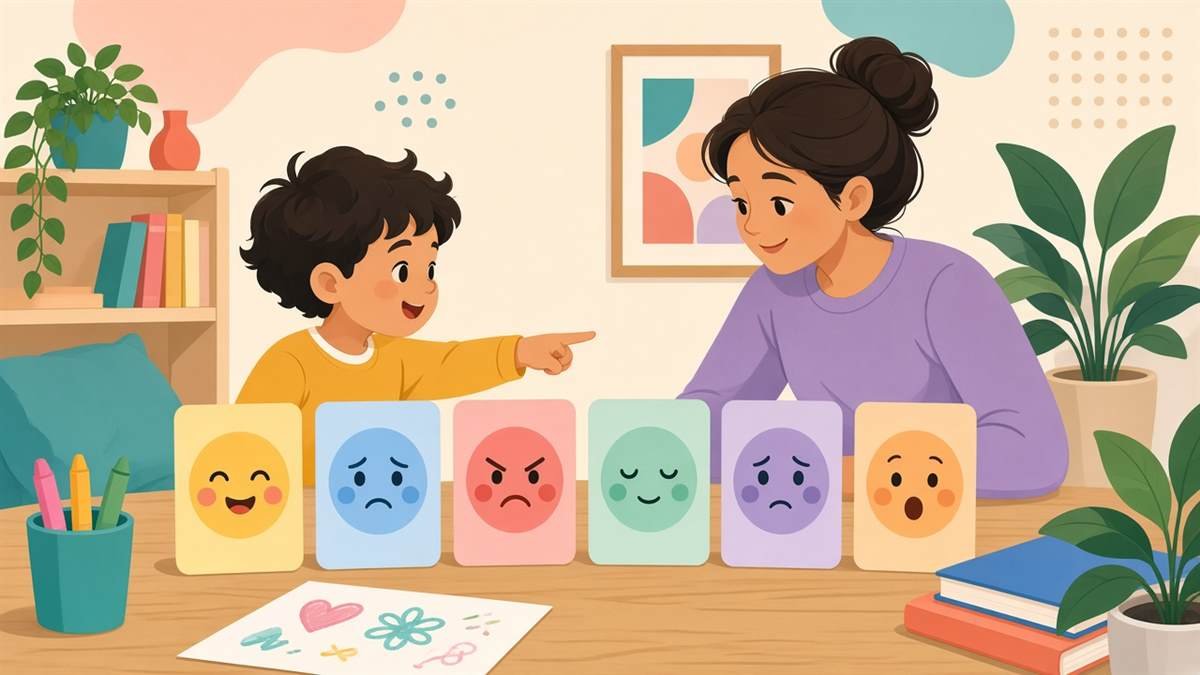
Help children grade anger intensity over weeks using the same scale at calm times. Notice triggers that repeat – hunger, losing games, perceived unfairness – and plan ahead with snacks, breaks, or fair rules. Literacy turns anger from a surprise attack into a signal they recognize earlier each month. Celebrate when they use a break signal before yelling – that win matters as much as a perfect apology afterward. Small prevention wins reduce shame cycles for the whole family.
Video: Staying Steady When Your Child Is Angry
Replace the placeholder below with your chosen video embed.
Final Thoughts
Talking to an angry child without making things worse starts with your nervous system, not their vocabulary. Protect safety, validate the feeling, delay the lecture, and repair after calm. Over time, anger becomes one emotion in the family language – not the only way to be heard. Each calmer exit from a meltdown teaches both of you that heat can cool without anyone losing dignity.
More anger and connection guidesVisit Parenting on Love Supports for related reads, including validating a child’s feelings in heated moments.
Frequently Asked Questions
Should I ignore anger to avoid rewarding it?
Ignoring genuine distress can increase panic. Brief validating presence with clear boundaries works better than cold withdrawal for most children.
What if I lose my temper too?
Repair matters: apologize, name your feeling, and reset. Children learn accountability from your model, not from your perfection.
Are time-outs helpful during anger?
Calm breaks can help when framed as regulation, not rejection. Reconnect and debrief afterward so the child feels returned to the relationship.
How do I talk to an angry teenager?
Keep comments short, respect space, and choose timing carefully. Return when both sides can speak without insults.
When is anger a sign to seek help?
Seek evaluation if aggression is frequent, injures others, or pairs with depression or self-harm. Use NIMH find help or your pediatrician as a starting point.



[…] and tone. Escalation teaches kids that big feelings require big threats. Calmer approaches in talking to an angry child protect both message and relationship. Positive parenting tips remind adults to model self-control […]