



Some children announce every feeling loudly. Others swallow emotions until they leak out as stomachaches, sarcasm, or sudden outbursts. Recognizing signs your child is struggling to communicate emotions early gives you time to adjust how you listen, validate, and seek support before distance becomes the default language at home.
Why Emotional Communication Gets Stuck
Emotions guide attention and social behavior across development (APA Dictionary: emotion). When children lack words, safety, or practice, feelings show up indirectly. Parenting research highlights responsive environments that teach regulation (APA: parenting). Gaps in emotional communication between parents and children or weakened emotional trust can make direct talk feel risky to a child.
Not every quiet kid is struggling. Look for change over time, distress across settings, and impact on sleep, friendships, or learning. Our guide emotional communication for stronger relationships offers a positive baseline to compare against.

Verbal and Social Signs to Notice
Flat or vague answers
Repeated “fine,” “whatever,” or “I don’t know” may hide uncertainty or fear of your reaction.
Story changes or omissions
Leaving out key details can protect shame. Gentle curiosity works better than cross-examination.
Hostile humor or biting sarcasm
Jokes can carry anger when direct words feel unsafe. Notice tone, not only content.
Talking only to peers or one parent
Selective sharing is not always a problem, but sudden shutout of a trusted adult may signal rupture.
Behavioral and Body Signs
Headaches, stomach pain, or fatigue without clear medical cause sometimes track with unspoken stress. Sleep changes, appetite shifts, or clinginess can accompany worry. Aggression, property destruction, or extreme withdrawal after conflict suggest regulation limits – pair parenting shifts with calm anger talk strategies.
School feedback matters: teachers may see playground isolation or difficulty joining group work. Coordinate with staff while respecting privacy. CDC developmental guidance encourages noticing patterns early and adjusting routines (CDC: positive parenting tips).

Signs, Possible Meaning, and First Steps
| What you notice | May suggest | Gentle first step |
|---|---|---|
| Somatic complaints | Stress without words | Validate body; rule out medical causes with doctor |
| Sudden secrecy | Shame or fear | Repair trust; one-on-one low-pressure time |
| Explosive meltdowns | Overload, skill gaps | Co-regulation; teach expression via activities |
| Perfectionism | Fear of disappointing you | Praise effort; share your own mistakes briefly |
What Helps at Home
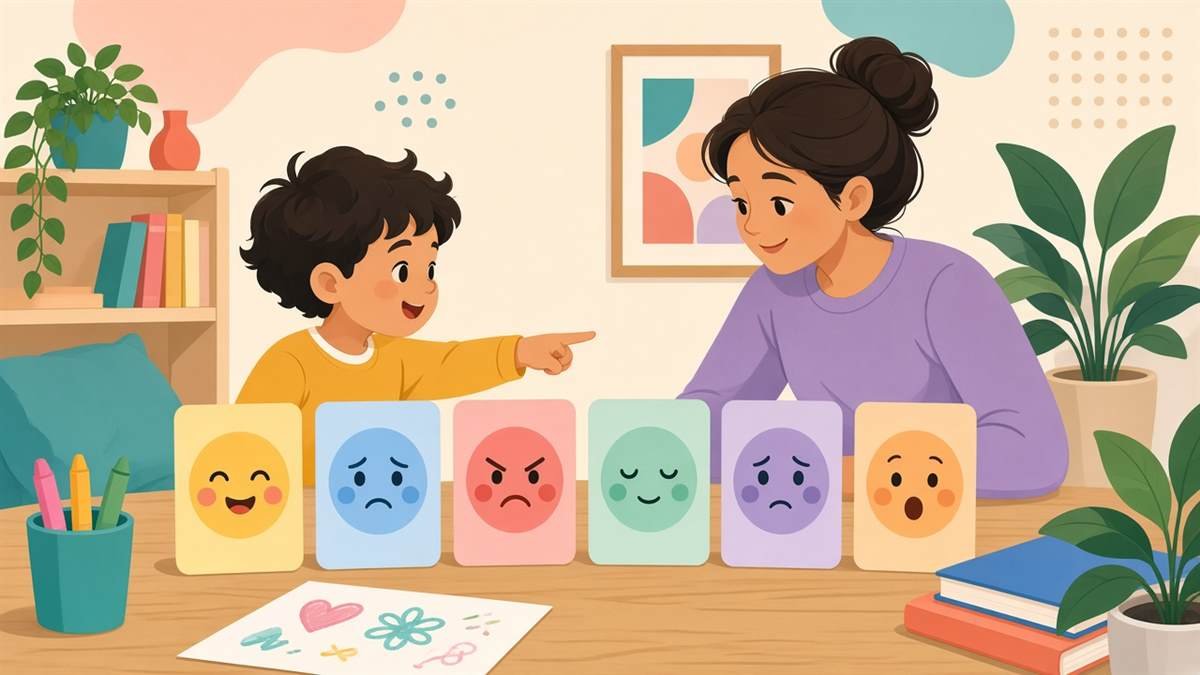
Improve listening rhythm with parent-child communication habits. Lead with validation before advice. Offer multiple ways to express – art, journals, walks – using ideas from helping children express feelings. Reduce shame after discipline by reconnecting and naming love separately from consequences.
When signs persist for weeks, affect school or friendships, or include self-harm language, seek professional input. Child mental health resources describe when early support helps (NIMH: child and adolescent mental health). Starting points are listed at NIMH find help.
Developmental Context: Not Every Quiet Phase Is a Crisis
Toddlers tantrum because language lags behind impulse. School-age kids test social belonging and may hide vulnerability. Teens individuate, which can look like emotional distance even when health is intact. Compare current behavior to your child’s own baseline, not to a sibling or neighbor.
Short stressful periods – exams, a move, a friend fight – may temporarily shrink communication. Watch whether skills return after the stressor eases. Duration and depth of impact guide your response more than a single weekend of moodiness.
Questions to Ask Yourself Before Escalating
Has my child’s sleep, eating, or grades changed noticeably? Do they still enjoy anything they used to love? Are they avoiding people they once sought out? Do they seem afraid of me or another caregiver? Affirmative patterns across several weeks suggest moving from DIY coaching to professional consultation.
Also examine family stress. Sometimes children absorb adult anxiety and express it indirectly. Couples tension, job loss, or illness can ripple outward. Addressing adult support for yourself can indirectly reopen your child’s communication channels.
Partnering With School and Pediatric Care
Pediatric visits can include emotional check-ins when you share observations without diagnosing. School counselors may offer groups on friendship or coping skills. Frame outside help as teamwork: “We want more tools for big feelings,” not “You are broken.”
Keep your child informed about who will know what. Surprises erode trust and mimic the secrecy you may be trying to reduce. Align home strategies with improved communication habits so every adult uses similar language.
Gender, Identity, and Expression Norms
Boys may hear that anger is the only acceptable feeling; girls may hear they must stay pleasant. Notice if you unintentionally reward certain emotions over others. Expand permission: “It is okay to cry when disappointed” applies across gender.
LGBTQ+ youth may hide identity-related stress if home does not feel safe. Affirming language and privacy reduce risk. If you are learning, say so honestly and commit to respectful curiosity rather than debate about their inner life.
Building a Support Map With Your Child
Ask who else they could tell if they felt scared or sad – teacher, counselor, relative, friend. A support map reduces isolation and shows you welcome help beyond only you.
Revisit the map after moves or school changes. Struggling communicators often need updated anchors when routines shift.
What Recovery Can Look Like
Recovery rarely jumps from silence to long talks. You might see shorter meltdowns, more eye contact, or willingness to name one feeling per day. Track those micro-wins. Pair them with consistent validation and expression coaching so gains stick instead of fading after a good week. Share progress notes with co-parents so responses stay aligned and your child feels the same safety in every room of the home. Aligned adults prevent mixed signals that make struggling communicators retreat further.

Reducing Shame When You Worry
Parents often blame themselves when children struggle to speak feelings. Self-blame can leak into urgent grilling that makes talk harder. Focus on the next supportive action – one validated share, one activity, one professional call if needed. Compassion for yourself keeps your tone soft enough for your child to approach.
Video: Spotting Emotional Communication Struggles Early
Replace the placeholder below with your chosen video embed.
Final Thoughts
Struggling to communicate emotions is often a signal for more safety and skill, not a character flaw. Watch patterns with compassion, adjust how you invite talk, and act early when distress runs deep. Many children move from silence or explosions toward clearer words when adults respond with steady curiosity instead of alarm. Your calm attention is often the first intervention that works.
Support your next stepsExplore Parenting on Love Supports and read related guides on trust, validation, and daily communication habits.
Frequently Asked Questions
Is being shy the same as struggling emotionally?
Shyness can be temperament. Struggle is more about persistent distress, functional impact, or sudden change across settings.
Could my child be fine at school but shut down at home?
Yes. Some children hold it together publicly and release stress at home. That pattern still deserves gentle support, not punishment.
Do these signs always mean anxiety or depression?
No. Many reflect skill gaps or family stress. Professionals assess when patterns persist or worsen.
Should I ask my child directly if something is wrong?
Ask softly and offer options: talk, write, or walk together. Accept “not yet” without shutting the door.
When should I call a counselor?
Call when signs endure, self-harm appears, or you feel out of your depth. Early sessions often focus on communication skills for the whole family.




[…] a child rarely responds even to validation, review signs of struggling emotional communication and expand expression tools via helping children express feelings. Persistent severe symptoms merit […]
[…] shifts, or self-harm language deserve professional attention, not only parenting tweaks. Review signs of struggling emotional communication and consult guidance on child mental health (NIMH: child and adolescent mental health). Helping […]
[…] Reduce questions; return later; watch warning signs […]