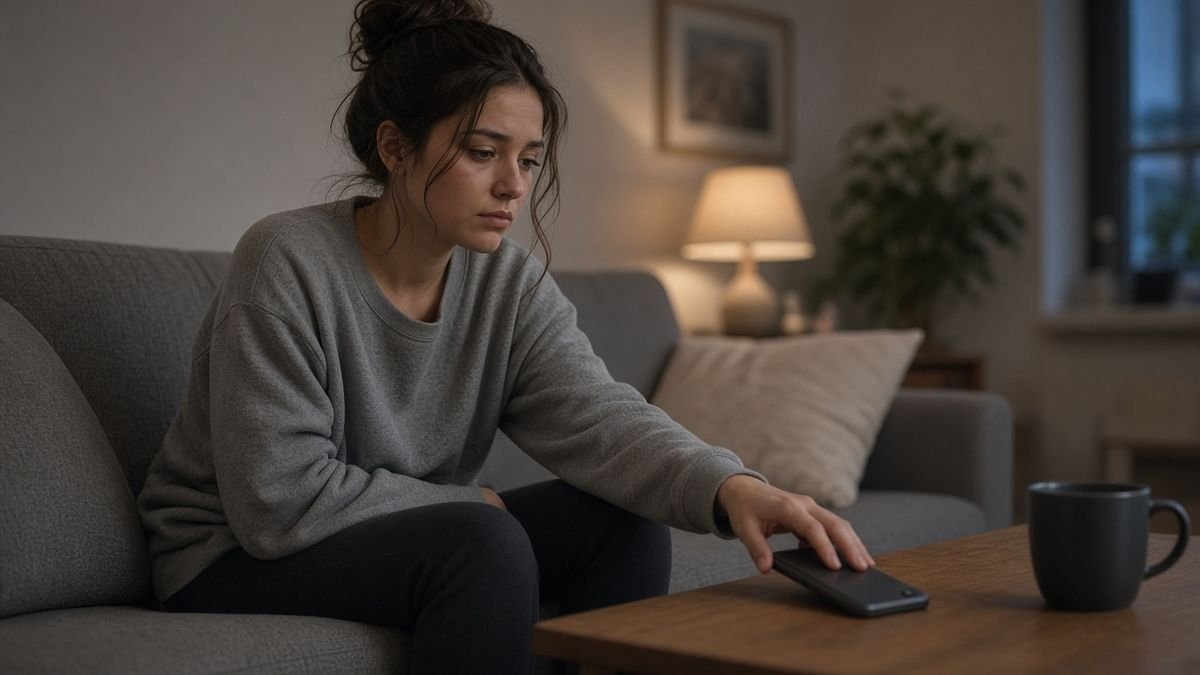



One partner wants a quiet weekend alone; the other feels rejected. One person thrives on daily texts; the other prefers a call every few days. Questions about healthy space in a relationship are really questions about love, trust, and identity. Space is not the opposite of closeness. Done well, it protects chemistry, reduces resentment, and helps both people bring their best selves back to the partnership. This guide helps couples find balance without games, guilt, or silent standoffs.

Why Space Matters in Committed Relationships
Long-term couples share calendars, beds, bills, and emotional weather. Without breathing room, small irritations compound. Solo time supports hobbies, friendships, rest, and reflection so conversations at home feel fresher. Many partners discover that distance briefly increases appreciation rather than threatening the bond, a theme we explore in why personal space makes couples stronger.
Attachment needs differ. One partner may equate constant contact with safety; another may need quiet to regulate after work. Neither preference is morally superior. Problems appear when space is denied, mocked, or used to manipulate. Understanding attachment patterns can reduce guesswork (APA Dictionary: attachment style).
How Much Space Is “Healthy”?
There is no universal hour count. Healthy space fits your life stage, temperament, work load, and agreements. A new parent couple may need micro-breaks more than weekend apart time. Long-distance partners may need more virtual closeness. Use these signs to gauge balance rather than comparing to other couples.
Green flags
Both partners return from solo time calmer, more present, and willing to share stories. Plans are communicated. Jealousy may appear but can be talked through without surveillance.
Yellow flags
Space requests trigger repeated fights, silent treatment, or scorekeeping about who “owes” time. Agreements exist on paper but are broken often without repair.
Red flags
One partner is forbidden from friends, hobbies, or solo outings. Location tracking is used punitively. Space is threatened whenever boundaries are named.

Space Needs vs. Relationship Goals
| Situation | Space that often helps | Closeness that still matters |
|---|---|---|
| High-stress work season | Quiet evenings, solo decompression, shorter talks | One meaningful check-in daily, protected date monthly |
| After big conflict | Timed cool-down before repair conversation | Clear return time and commitment to finish the talk |
| Introvert-extrovert pair | Solo recharge for one; social outlets for the other | Shared rituals both choose, not one-sided hosting |
| Parenting young children | Shift-based breaks, tag-team solo errands | Weekly co-parent planning and affectionate touch |
How to Ask for Space Without Hurting Your Partner
Language matters. Replace “I need space from you” with “I need an hour to reset so I can be kind tonight.” Link space to care for the relationship, not escape from the person. Step-by-step phrasing and timing tips are in how to ask for space in a relationship.
Offer reassurance when your partner fears abandonment: confirm love, name the return time, and follow through. Trust grows when promises about space are kept as seriously as date promises. Read more on building trust in relationships if broken agreements have made space feel dangerous.
If you are the partner who prefers more togetherness, practice tolerating brief distance without protest behaviors like excessive texting or guilt trips. Use the time for your own interests. Couples who master this often report fewer repeating arguments, similar to insights in why couples repeat the same argument.

When Too Much Distance Signals a Problem
Space becomes unhealthy when it is indefinite, secretive, or paired with contempt. Stonewalling for days, hiding major plans, or refusing all couple time may indicate deeper conflict or burnout. Address patterns early with structured problem-solving from strategies for couples facing hurdles.
Chronic stress can make partners withdraw without meaning to (APA: stress). Name withdrawal as a possible stress response, not always loss of love. Schedule reconnection intentionally: walks, meals, or short daily rituals from keeping your relationship healthy.
Mutual growth couples also discuss how much interdependence they want. See symbiotic relationship and mutual growth if you wonder whether closeness has tipped into enmeshment. Space and symbiosis can coexist when boundaries are clear.
Rebuilding Safety After Space Fights
If past fights about space left scars, rebuild slowly. Agree on a small experiment: ninety minutes solo, then a favorite shared activity. Debrief what felt hard. Repeat weekly until both nervous systems expect repair, not punishment. Vulnerability helps here (vulnerability and mental health in relationships). If fear remains intense, couples therapy or individual support may help (NIMH: find help).
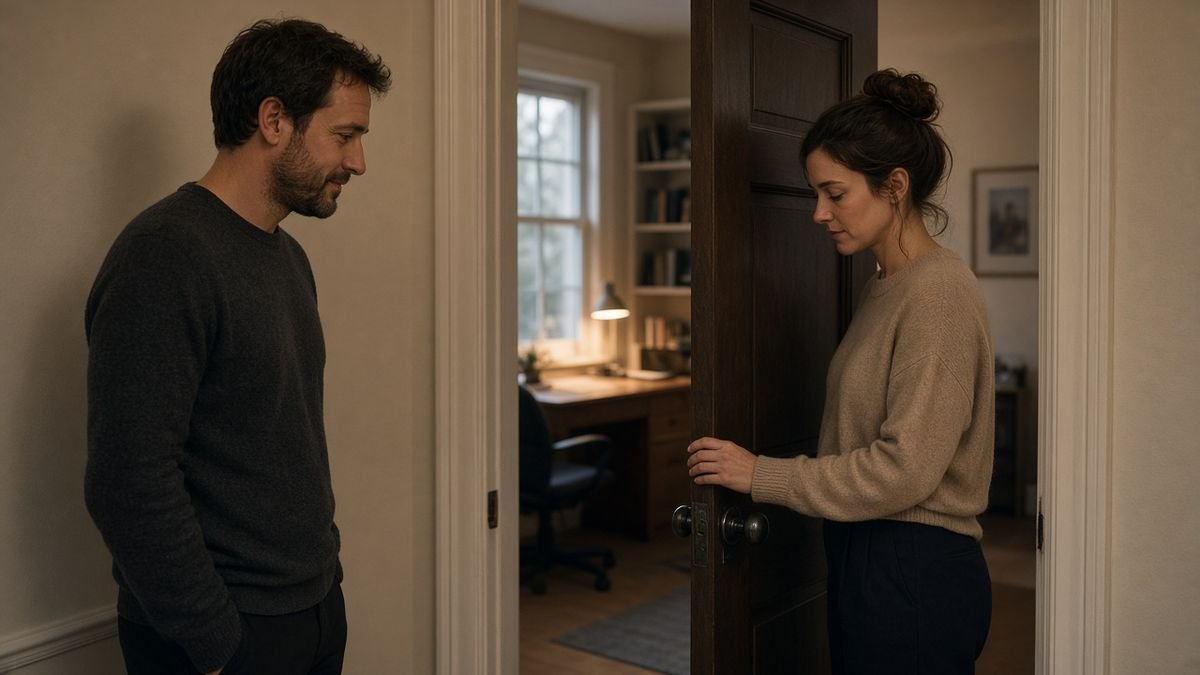
Video: Finding the Right Balance Together
Replace the placeholder below with your selected embed on space and connection.
Final Thoughts
Healthy space is a skill, not a personality flaw. Couples who negotiate it openly often feel more secure, not less, because autonomy and commitment stop competing. Start with one clear request, one reassurance, and one follow-through this week. Adjust until both partners feel seen. Even small experiments build evidence that love can include room to breathe.
Explore more in our Couples and Relationships categories on Love Supports.
How Couples Can Ask for Space Without Creating Distance
Healthy space in a relationship works best when it is named kindly. Instead of disappearing, say what you need and when you will reconnect. A clear ask protects closeness while still giving each partner room to breathe.
Check the pattern after two weeks. If space helps both of you return calmer and more affectionate, keep the rhythm. If one person feels abandoned, adjust the plan together so independence never becomes silent punishment.
Frequently Asked Questions
Is wanting space a sign the relationship is failing?
Not usually. Many strong couples need solo time to regulate, pursue interests, and prevent resentment. Failure is more likely when space is dishonest, punitive, or used to avoid necessary conversations indefinitely.
How much alone time is normal in marriage?
Normal varies by couple. Focus on whether both people feel respected, informed, and recharged after time apart, rather than matching a specific number of hours.
What if my partner takes space without telling me?
Ask for an agreement about notice and return times. Surprise distance can trigger anxiety. If secrecy continues, discuss trust and whether deeper issues need professional support.
Can long-distance couples have too much space?
Yes. Long-distance pairs may need more intentional closeness rituals – calls, visits, shared plans – so space does not drift into disconnection. Balance transparency with independence.
How do we balance space when we live in a small home?
Use time blocks, headphones, separate corners, or short walks. Communicate schedules so alone time is expected, not interpreted as rejection.