



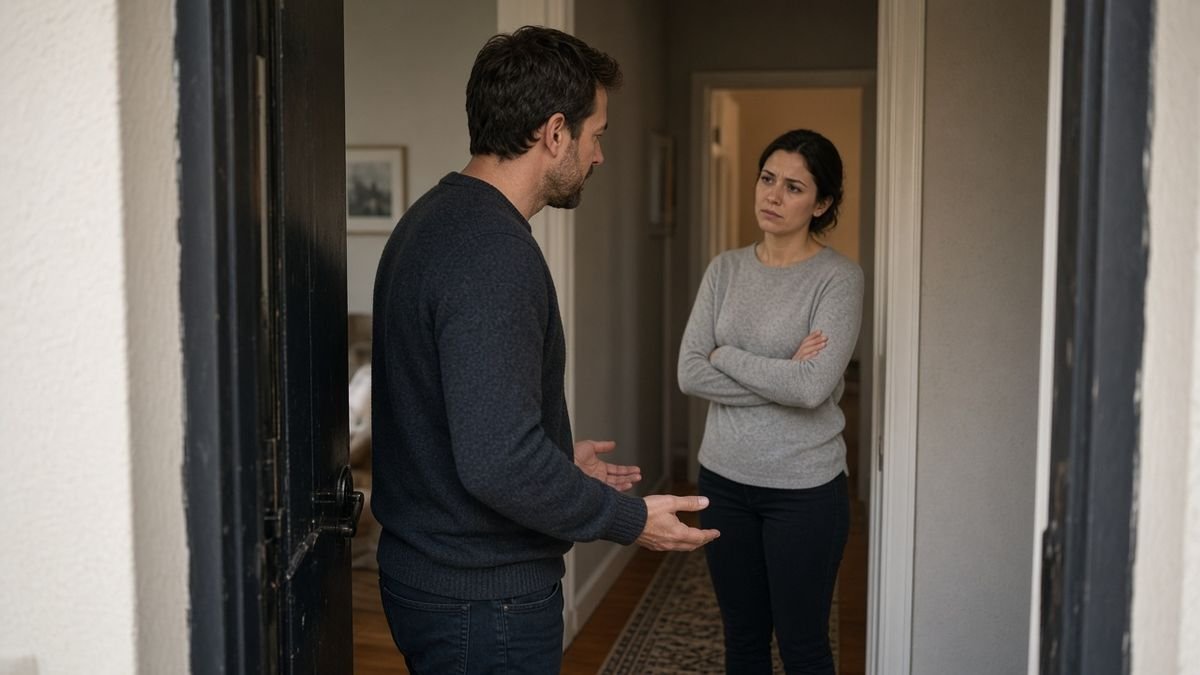
After a serious argument, the house can feel unusually quiet. Both of you are replaying the harsh words, and neither knows who should speak first. A sincere apology can melt that silence, but a poor one can make things worse.
This guide focuses on the moment after the storm: how to prepare, what to say, what to avoid and how to show change. It is written for any couple, whether you are dating, married or co-parenting together.
Why Apologies Matter More Than Winning
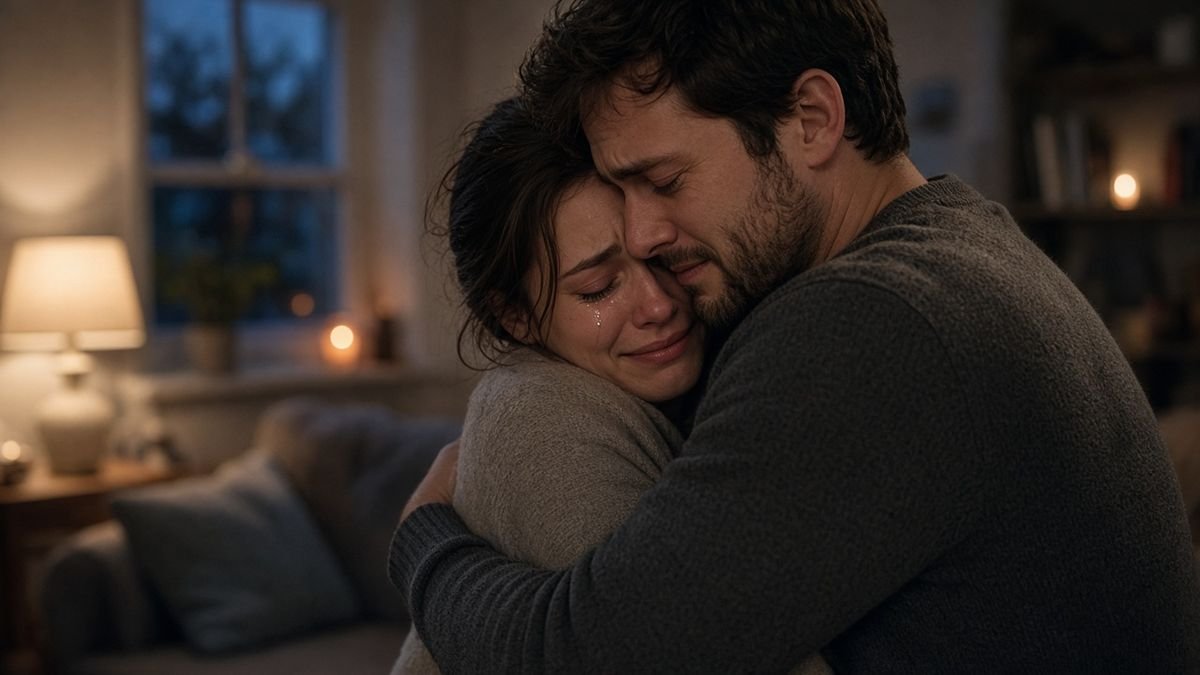
In a serious argument, each person usually feels wounded. Being right does not heal that. An apology tells your partner, “Your pain matters more than my pride.” It signals that the relationship is more important than the argument.
You may find it useful to remember that repairing is a skill many successful couples practice often. The Gottman Institute has a short guide about the patterns that damage trust, including contempt and defensiveness, which are the very habits a good apology must undo.
Before You Apologize: Prepare Your Heart
- Calm your body. Walk, stretch or breathe slowly until your voice feels steady.
- Find your part. Ask, “What did I say or do that hurt?” Leave out their mistakes for now.
- Drop the “but.” Anything after “I am sorry, but” cancels the apology.
- Pick a calm moment. Ask, “Can we talk? I want to apologize.”
The Four Parts of a Real Apology
1. Name the action
Be specific. “I raised my voice and called you irresponsible in front of your family.” Vague words like “I am sorry for everything” feel empty.
2. Acknowledge the impact
“That must have felt humiliating, and I understand why you pulled away.” This is where empathy lives.
3. Take responsibility
“That was not okay, and I am responsible for it.” Avoid excuses such as stress or tiredness, even if they are true. You can explain later, when it will not sound like an excuse.
4. Offer a change
“Next time I will take a break before I say something hurtful.” A promise you can actually keep matters more than a grand one.
Weak Apology vs Strong Apology
| Weak apology | Why it fails | Stronger version |
|---|---|---|
| “I am sorry you feel that way.” | Blames the feeling, not the action | “I am sorry I said that. It hurt you.” |
| “I am sorry, but you started it.” | Shifts blame and cancels the apology | “I am sorry for my part in it.” |
| “Fine, I am sorry. Happy now?” | Sarcastic, pressures forgiveness | “I am truly sorry. Take the time you need.” |
| “I said sorry already.” | Treats it as a task instead of repair | “I know one apology may not fix it. I will show you.” |

After the Words: What Shows You Mean It
Words begin the repair, but actions finish it. Your partner will watch whether the pattern changes. If you promised to stay calm, notice your early warning signs and take a break when needed. If you promised to listen more, schedule time for it.
It also helps to talk about how to handle the next disagreement. Our guide on staying kind during relationship conflicts offers practical ideas for staying respectful when emotions rise, and the real reason couples keep having the same argument can help you see why the same fight keeps repeating.
If your partner needs time
Forgiveness cannot be rushed. Some people need hours, others need days. Avoid asking, “Are we okay now?” over and over. Instead say, “I am here when you are ready.” If space is part of how your partner heals, read what to do when your partner needs space.
Watch a Short Guide to Apologizing
When an Apology Is Not Enough
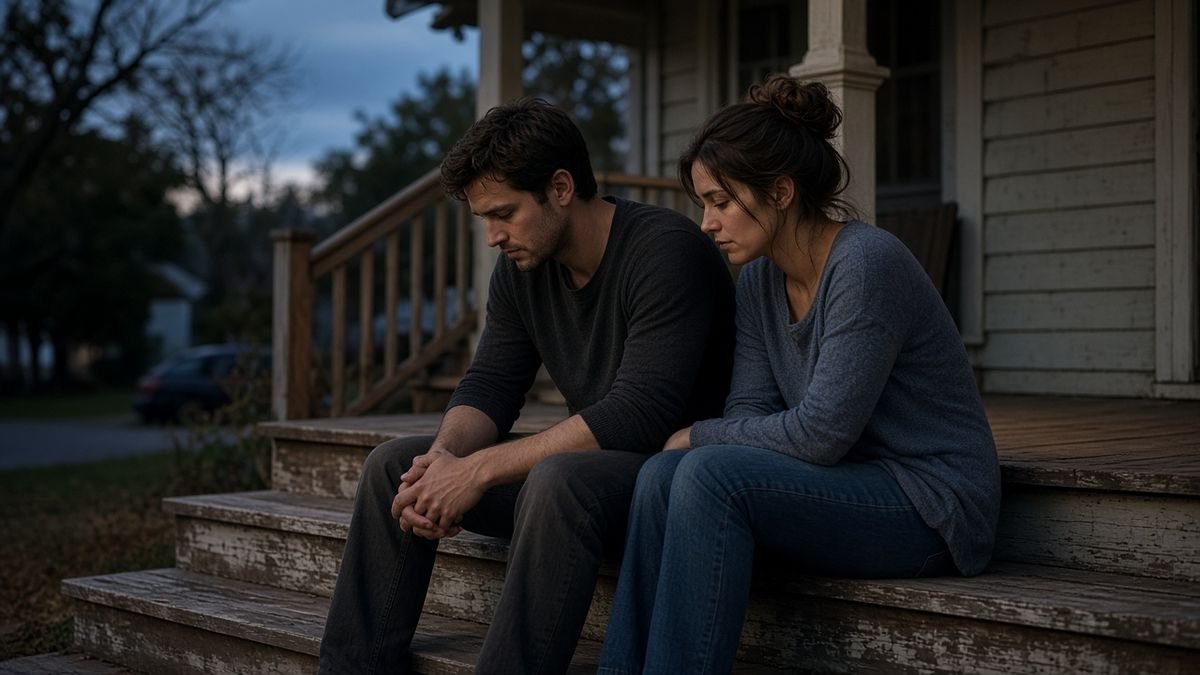
If the argument involved abuse, threats or repeated cruelty, an apology alone is not a solution. Safety comes first, and professional help is important. The National Institute of Mental Health offers information on caring for your mental health and finding support. For ongoing patterns, consider reading about the signs your relationship needs professional help.
Apologizing in Different Situations
Every serious argument is different, so adjust your approach to the moment.
When you said something cruel
Repeat the words if you can without repeating the hurt, and own them: “I called you useless. That was cruel and untrue.” Specific honesty shows you understand the depth of the injury.
When you shut down or stonewalled
Silence can wound as much as shouting. Say, “I went quiet and left you alone with the problem. I am sorry. I want to stay and talk next time, even if I need a short break first.”
When children or family were nearby
If a fight happened in front of children, repair with them too, in simple words that fit their age: “We were both upset and we talked too loudly. We have sorted it out and you are safe.” Our guide on how parenting styles affect children explains why calm repair matters for families.
Written or spoken?
A face-to-face apology usually works best. If emotions are too high, a short, sincere note can open the door: “I have been thinking about what I said. I am sorry, and I would like to talk when you are ready.” Do not use text to defend yourself or explain at length. Keep it brief and warm.
Key Takeaways
- Calm your body first, then speak.
- Name the action, the impact, the responsibility and the change.
- Avoid “but” and avoid pressuring forgiveness.
- Back your words with steady behavior over time.
A good apology does not erase what happened, but it gives both of you a safe path back toward each other.
Frequently Asked Questions
How long should I wait before apologizing after a serious argument?
Wait until you are calm enough to speak without defending, but do not wait days. Many people apologize best after a break of 20 minutes to a few hours, once the intense emotion has settled.
What if I think we were both wrong?
Apologize for your part only and do not wait for your partner to go first. A clean apology for your share often invites the other person to do the same.
What if my partner will not accept my apology?
Give them space and avoid pressure. Make it clear that the offer stands, and show change through your actions over the next days and weeks.
Is saying “I am sorry you feel that way” a real apology?
No. It shifts the focus to the other person’s reaction. A real apology names what you did and how it affected your partner.
How do I rebuild trust after a serious fight?
Apologize, change the behavior and be consistent. Our guide on building trust in relationships explains how small, steady actions repair confidence.
Should I apologize if I said something cruel in anger?
Yes, and be specific. Name the words, own the harm and promise to take a break next time instead of saying them.