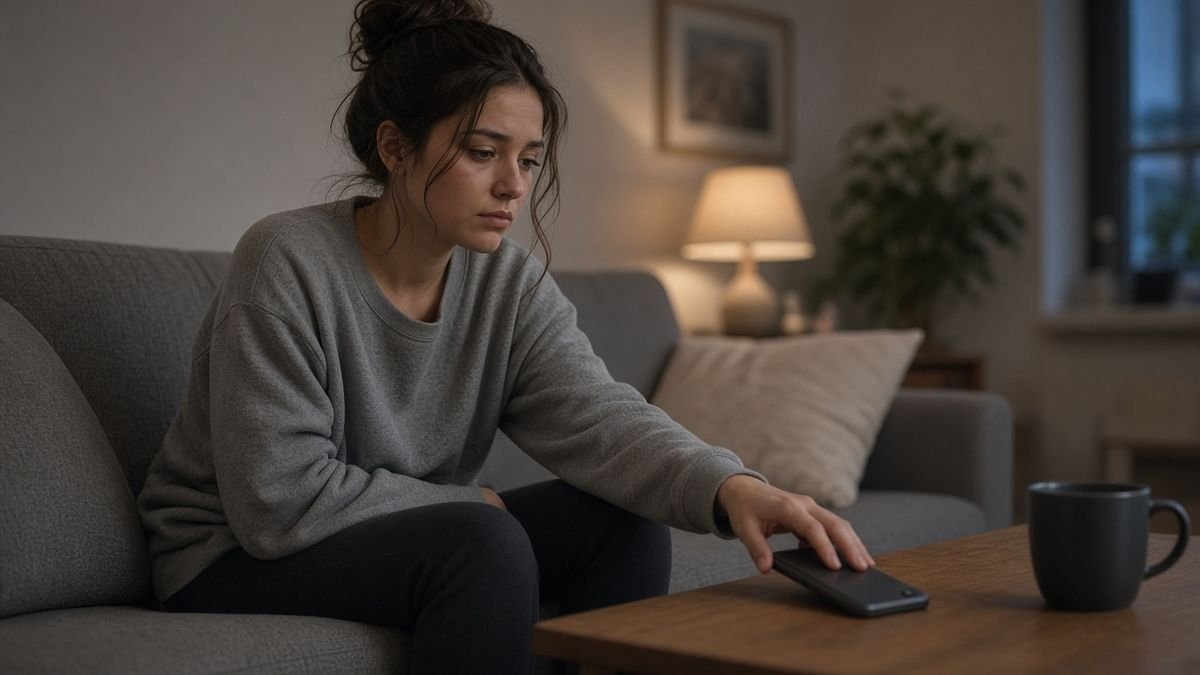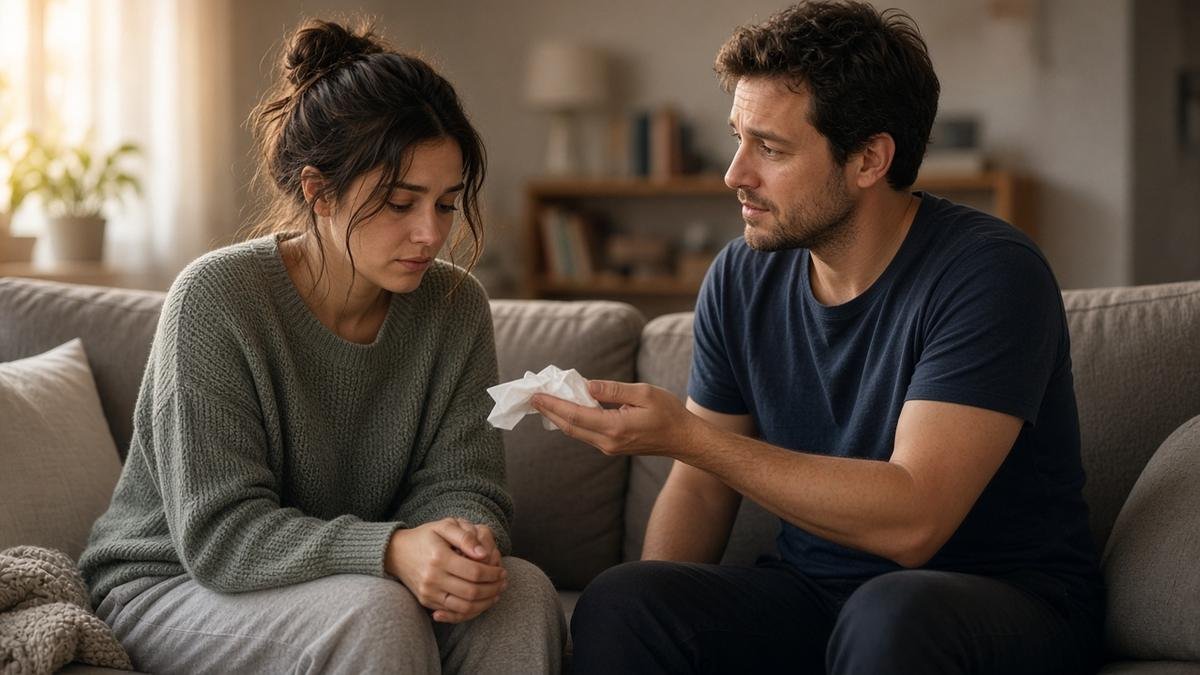



Every couple negotiates the same quiet question: how close is close enough? One partner wants to spend every evening together, while the other craves an hour with a book and no conversation. Neither person is wrong. Balancing personal space and togetherness is about designing a rhythm that lets both of you feel loved and still feel like yourselves.
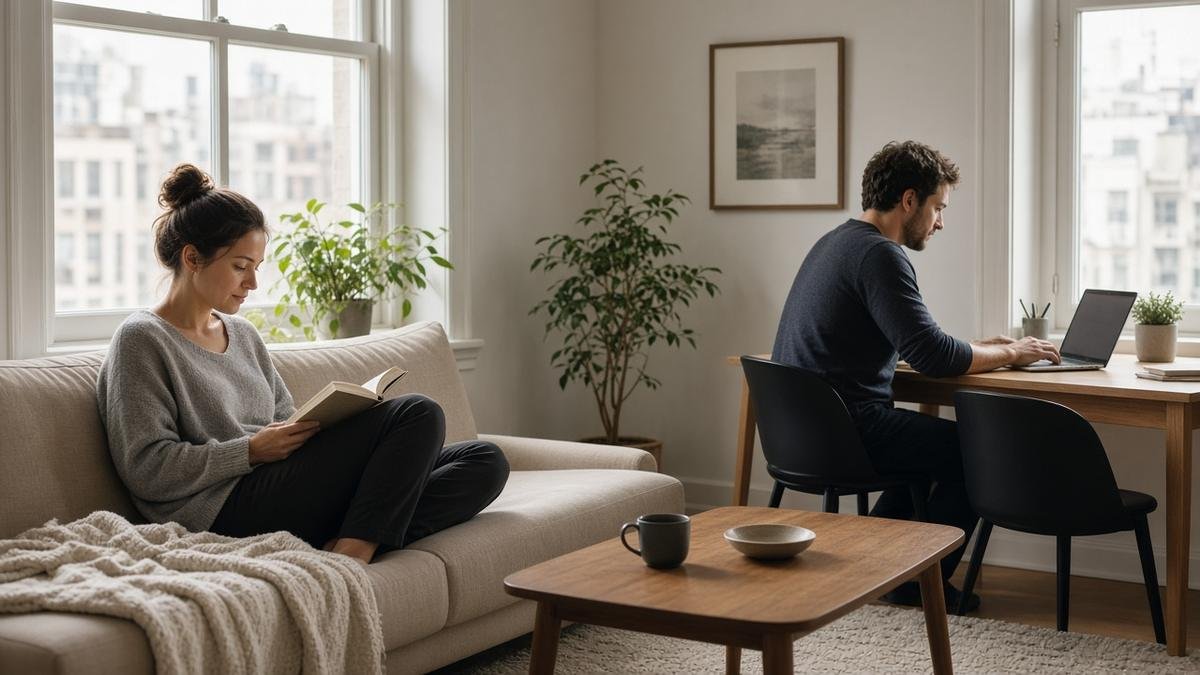
Why Couples Need Both Closeness and Space
Psychologists often describe a basic human pull toward both belonging and autonomy. We want to be known, and we want to be free. When a relationship leaves no room for one of these needs, tension shows up as nagging, withdrawing, or sudden fights about small things. The American Psychological Association notes that satisfying partnerships depend on communication and mutual respect, including respect for each other’s individuality.
Space is also what keeps desire and curiosity alive. When you spend time apart, you bring back stories, interests, and fresh attention. If you want to go deeper on why independence helps love last, read why personal space makes couples stronger and whether space in a relationship is healthy.
Space is not rejection
The hardest part is how space feels. For the partner who wants closeness, distance can feel like abandonment. For the partner who wants room, closeness can feel like pressure. Understanding that these are feelings, not facts, softens a lot of conflict. For more on why a partner may pull back, see why a partner needs space.
Spot Your Pattern: Pursuer and Withdrawer
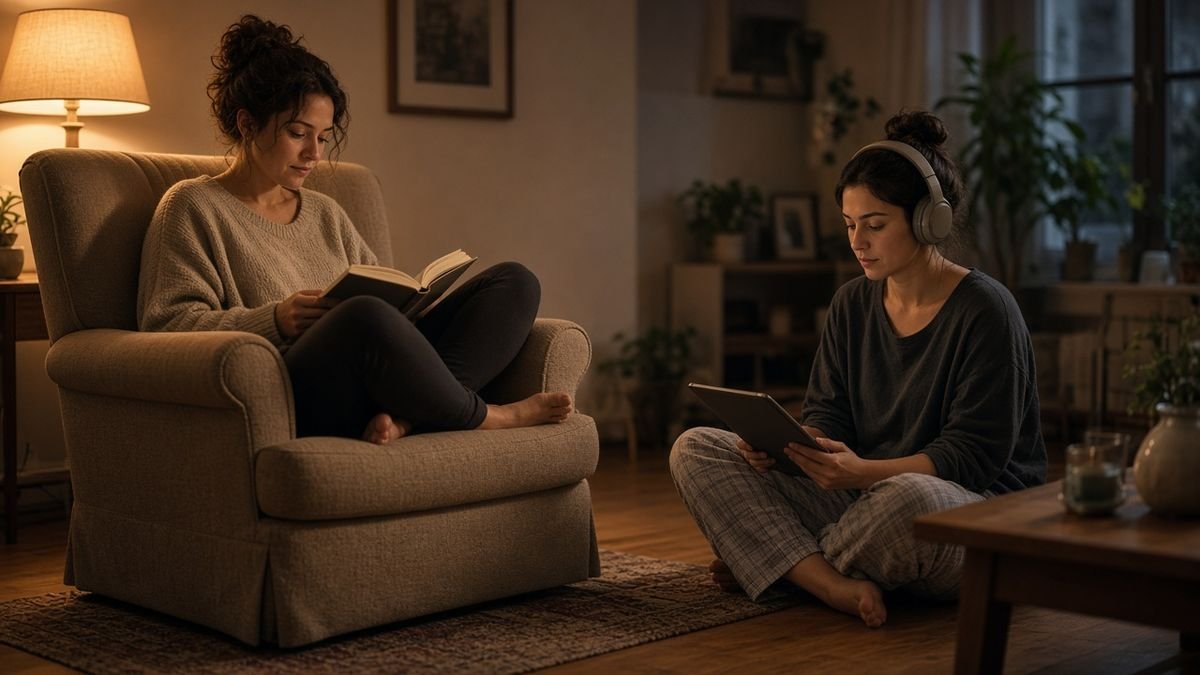
Many couples fall into a push-pull dynamic. One person leans in when anxious, the other leans out when overwhelmed. Roles can switch across seasons of life. This table shows what each side usually needs.
| Closeness-seeking partner | Space-seeking partner | |
|---|---|---|
| Common fear | Being left or ignored | Being smothered or lost |
| Stress response | Reach out, ask questions, want to talk now | Go quiet, retreat, need time to think |
| What helps most | Reassurance and a clear time to reconnect | Uninterrupted time with no guilt |
| Helpful phrase | “I miss you. Can we plan time later?” | “I need an hour. I will be back at seven.” |
| Risk if ignored | Clinging, protest, hurt | Withdrawing, secrecy, resentment |
Notice that both people carry a valid need. The goal is not to turn the closeness-seeker into a loner or the space-seeker into a shadow. It is to build agreements that respect both.

Build a Weekly Rhythm Together
Instead of negotiating each time, create a simple rhythm. A plan reduces guessing, and guessing is where hurt feelings grow.
- Share your ideal week. Each of you describes how much time you want together, alone, and with others.
- Find the overlap. Look for what you both want, such as two shared dinners and one solo evening each.
- Protect the plan. Put it on the calendar, and treat solo time with the same respect as a date.
- Check in monthly. Life changes. Adjust after a new job, baby, or move.
A sample week might look like this: dinner together Monday and Thursday, Tuesday evening free for one partner, Wednesday evening free for the other, and a shared weekend morning with the afternoon open. Your version will differ. What matters is that the plan is spoken aloud, so nobody has to read the other person’s mind.
Add a re-entry ritual
The moment you reunite matters. A short ritual, like a hug, a cup of tea, or asking “How was your time?” turns separation into a bridge instead of a wall. It tells the closeness-seeker that space did not mean distance, and it tells the space-seeker that coming back is warm, not demanding.

How to Ask for Space Kindly
Use a three-part message
Share what you need, why, and when you will return. “I have had a loud day and I need an hour of quiet. It is not about you. Can we reconnect after dinner?” That small amount of detail prevents your partner from writing a worst-case story. For practical wording, see how to ask for space in a relationship.
If you are the one receiving space
Resist the urge to chase. Use the time to do something that feels nourishing, such as calling a friend or going for a walk. Trust that a planned return is a promise, not a brush-off. Our guide on what to do and not do when your partner needs space goes into more detail.
Warning signs the balance is off
If you rarely do anything alone, feel guilty for wanting a quiet hour, or have started hiding plans to avoid conflict, the balance has tipped toward too much togetherness. If you barely see each other, feel like roommates, or cannot remember your last real conversation, it has tipped toward too much distance. Either way, a calm conversation is the first step, and a counselor can help if you are stuck.
Video: Distance Can Keep Love Alive
Couples therapist Esther Perel explains how every relationship holds both togetherness and separateness, and how to keep the space between partners alive.
Final Thoughts
Personal space and togetherness are not opposites. They are two ingredients of the same relationship. Name your needs, create a rhythm you both can live with, and reconnect with warmth. When you protect both closeness and freedom, you give love room to breathe. For wider reading on healthy habits, explore HelpGuide: relationship help.
Explore more guides in Relationships and Dating.
Frequently Asked Questions
How much alone time is normal for a couple?
There is no single number. Some couples need a few hours a week apart, others need a daily quiet hour. The right amount is the one where both partners feel connected and still feel like themselves.
Does needing space mean my partner is losing interest?
Not usually. Wanting time alone is often about rest and identity, not about love. Ask, “What would help you recharge, and how can we reconnect afterward?” That keeps the conversation about needs instead of rejection.
How do I ask for space without hurting my partner?
Say what you need, how long, and when you will return. For example, “I need an hour alone to reset. Can we have dinner together at seven?” A clear return time turns space into a plan instead of a mystery.
What if one of us wants much more togetherness?
That is very common. One partner often leans toward closeness and the other toward independence. Treat it as a difference to manage, not a flaw. Small trades, such as planned couple time plus protected solo time, help both people.
Can too much togetherness harm a relationship?
It can. When partners lose friends, hobbies, and personal goals, resentment and boredom often grow. Healthy couples keep a life of their own and bring fresh energy back to the relationship.