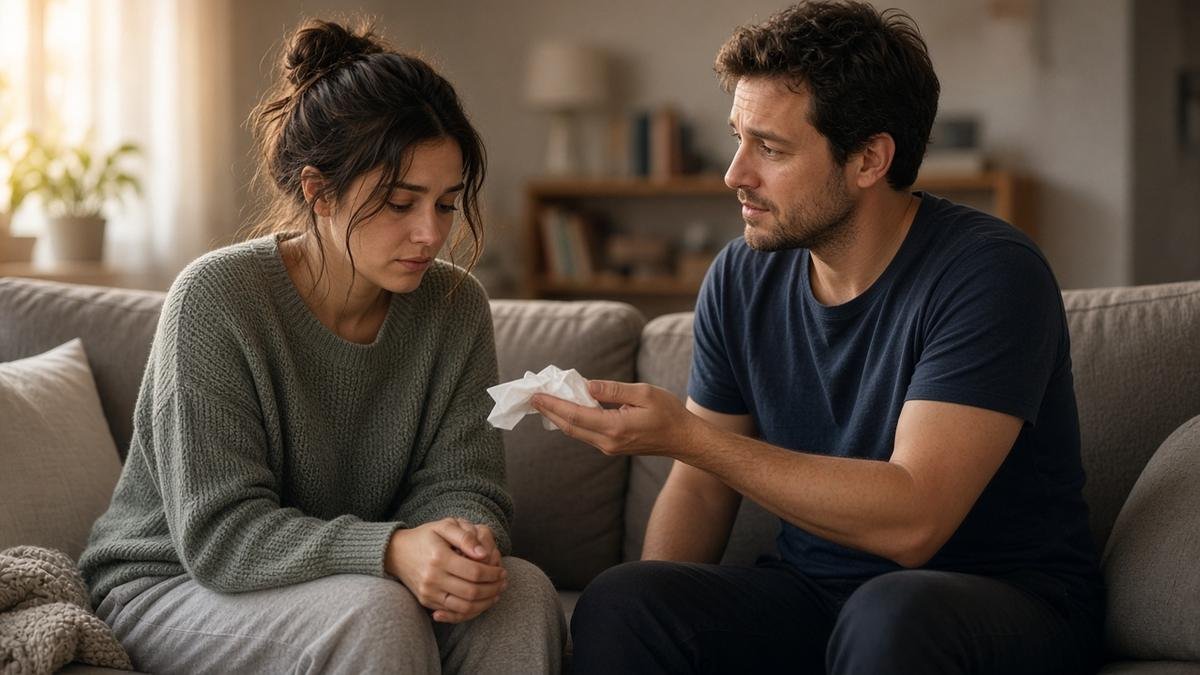



People ask why do people change when they fall in love because the shift can feel sudden and confusing. Love often rearranges attention, motivation, and daily choices. Some changes are beautiful growth. Others are warning signs that someone is disappearing into the relationship or performing a temporary role.
Love Changes Priorities, Not Always Core Values
When attachment grows, the brain and body treat the bond as important. You may text more, plan around someone, or become softer in conflict. That is often bonding, not fakery. Problems begin when change is demanded through pressure, fear, or isolation. For fear-based patterns, see when falling in love feels terrifying.
Not every change is permanent. Some honeymoon behaviors settle once comfort arrives. Distinguishing temporary intensity from lasting character shifts helps couples avoid panic and avoid denial. Watch patterns across months, not only across one romantic weekend.
Healthy Change vs Losing Yourself
| Area | Healthy love change | Unhealthy love change | Check-in question |
|---|---|---|---|
| Friends | Balance couple and social time | Cut off support network | Do I still see people who matter? |
| Goals | Adjust timelines together | Abandon personal aims | Are my goals still allowed? |
| Personality | Kinder under secure care | Shrink to avoid conflict | Can I disagree safely? |
| Habits | Better sleep or health as a team | Drop self-care completely | Do I still maintain myself? |
| Values | Clarify shared meaning | Hide beliefs to keep peace | Am I honest about what matters? |
Why the Change Happens
1. Attachment and reward systems light up
New love increases focus on the person who feels rewarding and soothing. You may think about them more, seek contact, and rearrange evenings. This intensity can look like a personality swap even when values are stable.
2. People show their best early
Early dating often highlights charm and patience. Later comfort reveals stress habits. The “change” friends notice may be the full person arriving, not a brand-new identity. Related myths are unpacked in relationship myths and psychology.
3. Relationships create new roles
Becoming someone’s partner adds responsibilities: emotional support, shared planning, and repair after conflict. Those roles can mature someone quickly. They can also overwhelm someone who never learned healthy closeness skills.
4. Fear can fake transformation
Some people change to secure approval, then resent it. Others mirror a partner to avoid abandonment. That compliance looks like love at first and like distance later. Trust foundations in building trust help separate growth from performance.
How Couples Can Change Together on Purpose
- Name what is changing out loud so nothing feels sneaky.
- Keep at least one personal hobby and one outside friendship active.
- Review shared routines monthly and adjust with consent.
- Ask whether a change is chosen growth or fear-based shrinking.
- Seek counseling if control, isolation, or contempt appears.

When Love Makes People Kinder or Harsher
Secure, respectful love often reduces defensiveness because safety lowers threat. Chaotic or critical love can make people anxious, jealous, or shut down. The relationship climate shapes behavior. If conflict patterns are escalating, silent relationship killers and staying kind in conflict are practical next reads.
Psychology writers and clinicians often note that pair bonds influence mood, motivation, and self-concept. Accessible overviews from the APA on relationships support the idea that close bonds shape how people think and act over time.
Talking About Change Without Accusation
Try: “I notice we have both shifted since we got closer. I like some of it, and I miss parts of my old routine. Can we talk about balance?” This invites teamwork. Accusations like “You are not who I dated” usually trigger shame and defense.
Also protect individuality with healthy space. Guides on space in a relationship and personal space making couples stronger can help you grow without fusing into one blurred identity.

Friends Notice Changes First
People outside the couple often spot shifts quickly: less availability, new language, softer conflict style, or sudden secrecy. Ask trusted friends for observations without letting them run your relationship. Outside mirrors help when infatuation narrows your view.
Infatuation can temporarily reduce critical thinking. That does not mean love is foolish. It means early bonding deserves paced decisions about moving in, merging money, or cutting support networks. Keep major life changes slower than the emotional rush when possible.
Growth that love can inspire
Many people become more patient, more expressive, or more ambitious because they feel securely cared for. That kind of change is worth celebrating. The test is consent and continuity: would this growth still make sense if the relationship ended? Identity built only for a partner is fragile.
If fear of intimacy is driving sudden retreat after closeness, philophobia and fear of falling in love may resonate. For couple-level health habits after the honeymoon, see how couples can keep their relationship healthy and keeping love strong long term.
Video: How Love Changes Us
This video explores why falling in love can change priorities, emotions, and behavior in ways that feel surprising.
Final Thoughts
People change when they fall in love because attachment reshapes attention, habits, and roles. Aim for chosen growth that keeps your values and friendships intact. If love requires disappearing, that is not growth. That is a cost too high for any romance.
Revisit the question every few months as a couple: What are we becoming, and do we both consent to it? That check-in turns accidental change into intentional partnership. Love can mature you. It should not erase the person your partner fell for or the community that keeps you grounded.
For intimacy that supports healthy change, continue with emotional intimacy in relationships.
Explore more guides in Relationships and Dating.
Frequently Asked Questions
Is it normal to change after falling in love?
Yes. New priorities, routines, and emotional habits are common. Healthy change expands your life. Unhealthy change erases your values, friendships, and voice.
Why does my partner seem like a different person now?
Early romance can amplify best behavior, while comfort later reveals fuller personality. Stress, attachment needs, and merging schedules also shift how people show up.
Can love make someone more mature?
It can. Caring about another person often motivates better communication, accountability, and long-term thinking when both partners support growth.
When is love-related change a red flag?
Watch for isolation from friends, pressure to abandon goals, secrecy, or personality shifts tied to control. Love should not require self-erasure.
How do we change together without losing individuality?
Keep personal hobbies, speak needs early, and update shared agreements as life evolves. Growth works best as a team project, not a takeover.