


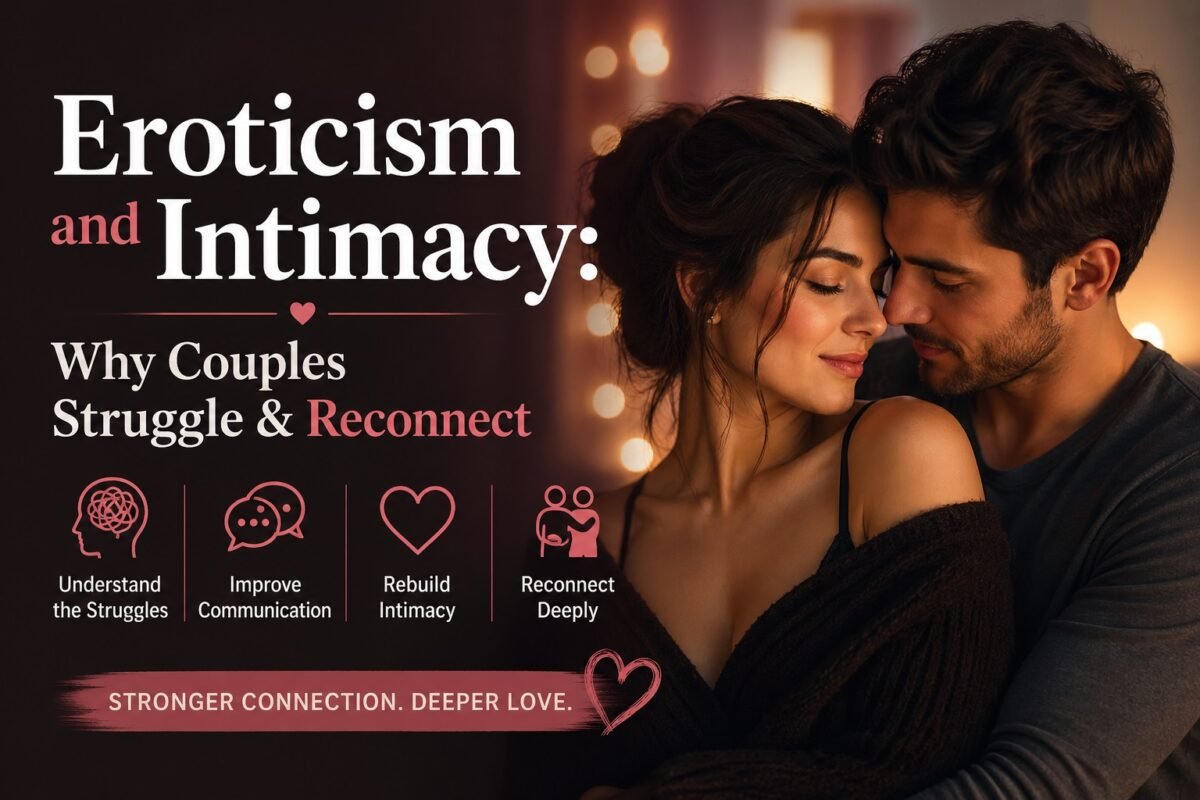

How to Keep Eroticism and Intimacy Alive in Long-Term Relationships
In modern relationships, many couples experience a disconnect between emotional closeness and physical desire. While love and trust may remain strong, passion and excitement can gradually fade. This imbalance between eroticism and intimacy is more common than people think—and understanding it is the first step toward rebuilding a deeper connection.
What Is the Difference Between Eroticism and Intimacy?
Eroticism and intimacy are closely linked but fundamentally different:
- Eroticism involves sexual desire, attraction, and excitement. It thrives on novelty, curiosity, and imagination.
- Intimacy is about emotional closeness, trust, and feeling safe with your partner.
A healthy relationship requires both. However, many couples unintentionally nurture one while neglecting the other.
Why Do Couples Struggle with Eroticism and Intimacy?
1. Emotional Distance Over Time
Daily responsibilities like work, finances, and family obligations can slowly create emotional gaps between partners. When emotional closeness weakens, physical intimacy often follows suit.
2. Poor Communication
Many couples avoid openly discussing their needs and desires. This leads to misunderstandings, unmet expectations, and frustration.
Without communication:
- Emotional needs stay hidden.
- Sexual expectations go unmet.
- Resentment builds over time.
3. Fear of Vulnerability
Both intimacy and eroticism require vulnerability, but many people struggle with it due to fear of rejection or insecurity.
Common barriers include:
- Body image concerns
- Fear of judgment
- Emotional guardedness
This prevents partners from fully expressing themselves.
4. Stress and Mental Overload
Stress is one of the biggest factors affecting both emotional and physical health.
High stress levels can:
- Reduce libido
- Limit emotional availability
- Increase irritability
When stress dominates daily life, intimacy often becomes a low priority.
5. Routine and Predictability
While routine creates stability, too much of it can reduce excitement in a relationship.
Over time, couples may:
- Stop planning romantic moments.
- Lose spontaneity
- Fall into repetitive habits.
Eroticism thrives on novelty, and without it, desire can fade.
6. Mismatched Desire Levels
It’s common for partners to have different levels of sexual desire. This mismatch can lead to frustration or feelings of rejection if not handled with understanding.
7. Lack of Self-Awareness
Understanding your own emotional and physical needs is essential. Without self-awareness, it becomes difficult to communicate or build a fulfilling connection.
8. Digital Distractions
Excessive use of phones, social media, and screens can reduce quality time between partners.
This leads to:
- Less meaningful interaction
- Reduced emotional presence
- Weakened connection
The Truth: Love Alone Isn’t Enough
Many people believe that love is enough to sustain a relationship. However, maintaining both intimacy and eroticism requires effort.
- Intimacy grows through emotional connection and trust.
- Eroticism grows through excitement, individuality, and creativity.
Balancing both is key to a healthy and lasting relationship.
How to Rebuild Eroticism and Intimacy
1. Prioritize Quality Time
Spend time together without distractions to rebuild emotional closeness.
2. Communicate Honestly
Talk openly about feelings, desires, and expectations in a safe, non-judgmental way.
3. Bring Back Excitement
Try new activities, plan surprises, or explore shared interests to reignite passion.
4. Manage Stress Together
Support each other and create routines that reduce stress and promote relaxation.
5. Embrace Vulnerability
Be emotionally and physically open—this strengthens trust and connection.
Conclusion
Struggles with eroticism and intimacy are common in relationships and do not mean failure. Instead, they highlight areas that need attention and growth.
By understanding the root causes and taking intentional steps, couples can rebuild both emotional closeness and physical passion—creating a relationship that feels both secure and exciting.
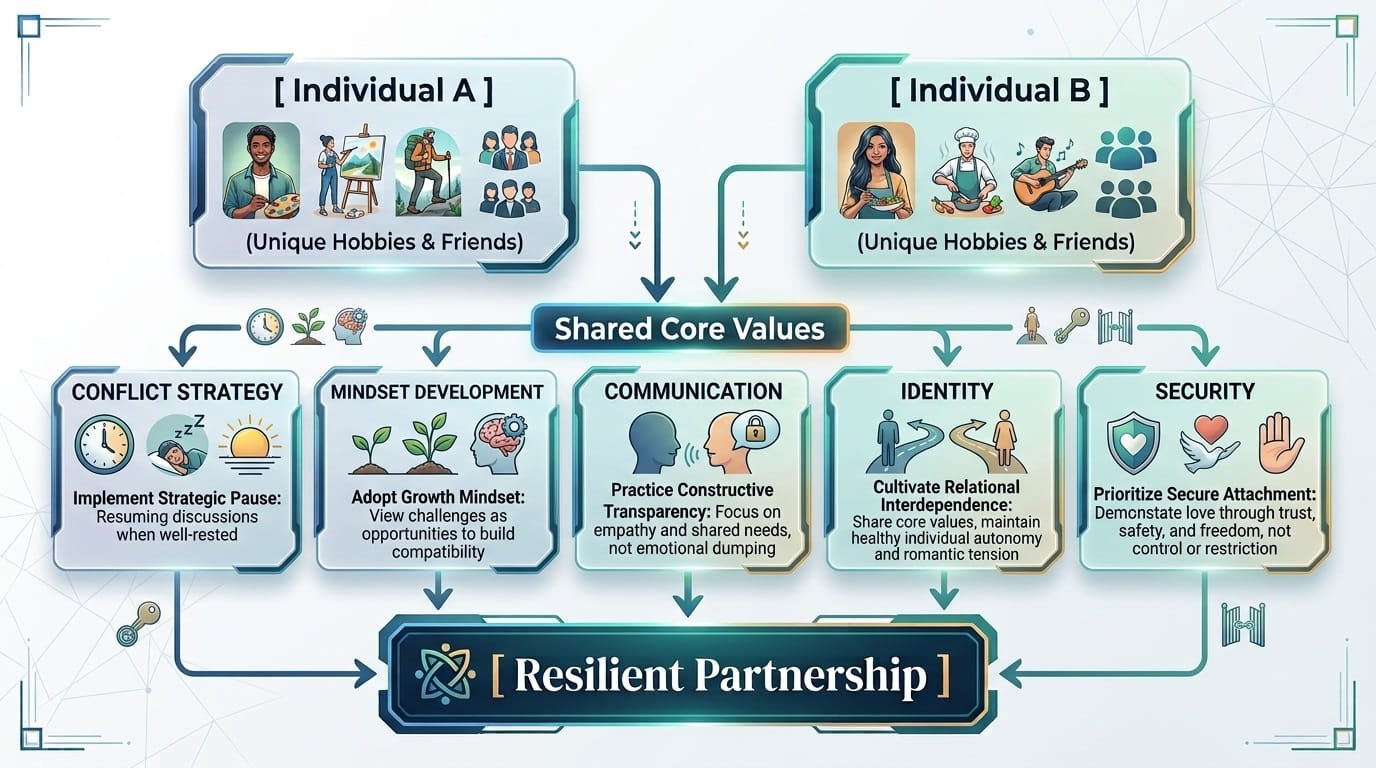


[…] couples recognize that silent relationship killers often begin with poor communication and unresolved […]