


Self-Deprecating: The Art of Roasting Yourself
Introduction
Humor unites people, especially online, and self-deprecating jokes help others relate instantly. Whether it’s a funny Instagram caption or a workplace joke, making light fun of yourself is now a useful social skill.
Self-deprecation goes beyond joking about yourself. Used well, it conveys confidence, humility, and authenticity. Overdoing it, though, can impact your self-image or credibility. Next, we’ll explore the psychology, benefits, risks, and best practices for using self-deprecating humor wisely.
What Is Self-Deprecating Humor?
Self-deprecating humor means making yourself the subject of a joke by pointing out your quirks, small flaws, or everyday mistakes in a playful way. It’s about laughing at yourself before anyone else does, but without putting yourself down.
For example:
- “I don’t rise and shine. I caffeinate and hope for the best.”
- “My cooking is so adventurous even the smoke alarm gets nervous.”
- “I started a diet today. The cupcakes are already plotting revenge.”
These jokes are harmless, relatable, and make you seem more human. They don’t attack your core identity or abilities; they just highlight everyday imperfections.
The Psychology Behind Self-Deprecation
Self-deprecating humor helps people feel closer to you. When you admit your own imperfections, it shows you don’t think you’re better than others. This makes people relax and feel more connected. In fact, a study published in the journal Humor found that people who use self-enhancing forms of self-deprecating humor are seen as more likable and emotionally intelligent, while those who rely on self-defeating humor may experience the opposite effect. Referencing peer-reviewed research increases trust in these observations.
Research in social psychology suggests that people who can laugh at themselves are often perceived as:
- More approachable
- More trustworthy
- More emotionally intelligent
- More confident
Why does it show confidence? People who feel secure admit flaws without worry. Joking about yourself often shows strength, not weakness.
But balance is key. Healthy self-deprecation comes from self-awareness, while unhealthy self-criticism comes from insecurity. The difference is in your tone, your reasons, and how often you do it.

Now that we’ve covered what makes self-deprecating humor impactful on a psychological level, let’s shift focus to the practical reasons why people use it in day-to-day interactions.
Today, with social media and more focus on authenticity and mental health, self-deprecating humor helps you present yourself honestly. Mastering it helps you connect and stand out in a digital world that values both relatability and capability.
Why Do People Roast Themselves?
People use self-deprecating humor for various strategic and emotional reasons:
1. Building Rapport
Self-roasting breaks the ice. When you laugh at your own mistake during a presentation, others relax instantly.
2. Defusing Tension
In awkward situations, humor acts like social glue. A quick joke about your clumsiness can neutralize embarrassment.
3. Demonstrating Humility
It shows you’re grounded. Especially in leadership roles, humility builds loyalty and respect.
4. Preemptive Defense
Sometimes, people make jokes about their own flaws before anyone else does. This helps them feel less vulnerable and more in control.
5. Increasing Likeability
Mixing humility with humor helps others feel comfortable and encourages them to open up.
The Benefits of Self-Deprecating Humor
When used well, self-deprecating humor has some big benefits:
Enhanced Relatability
People connect more easily with someone who admits imperfections.
Builds Trust
Being open makes you seem real, and people trust genuine people.
Showcases Confidence
It shows confidence when you can laugh at your own small mistakes.
Encourages Engagement
When you joke about yourself, it encourages others to share their own stories and imperfections.
Reduces Social Tension
It helps smooth over mistakes or awkward pauses. Instead of cringing, people can laugh and move on.
At work, leaders who occasionally joke about themselves come across as more human and approachable. For example, picture a manager starting a stressful team meeting by saying, “Well, at least I managed to wear matching socks today.” The room relaxes with laughter, and the tension fades. This kind of humor can help create a stronger workplace culture.

When Self-Deprecation Goes Wrong
Even though self-deprecating humor has many benefits, it can backfire if used too much or in the wrong way. So how do you know when you’ve crossed the line from charming to damaging? A practical rule of thumb: keep it to three light self-jokes in any one conversation or setting. If you notice yourself making more, pause and consider whether your humor is still playful or if it risks undermining your confidence or others’ perceptions. This simple check helps you stay on the right side of the line and ensures your self-deprecating humor remains an asset rather than a liability.
1. Undermining Yourself
If you constantly joke about being bad at your job, people may start believing you.
2. Damaging Professional Image
In business, too much self-roasting can erode authority.
3. Fishing for Compliments
Repeated self-criticism disguised as humor may feel manipulative.
4. Reinforcing Negative Self-Talk
What starts as a joke can slowly influence how you see yourself.
5. Making Others Uncomfortable
If your humor touches sensitive topics—such as appearance, intelligence, or trauma—it can create awkwardness rather than laughter.
The golden rule: Never joke about your core value, character, or professional competence.
Healthy Self-Deprecation vs. Self-Destruction
There’s a fine line between healthy self-deprecation, which demonstrates confidence and ease with oneself, and unhealthy self-criticism, which reveals insecurity masked as humor.
Healthy self-deprecation:
- Lighthearted
- Occasional
- Focused on minor quirks
- Delivered with confidence
Unhealthy self-criticism:
- Constant
- Harsh or deeply personal
- Rooted in insecurity
- Leaves you feeling worse afterward
Ask yourself: Am I using humor to show security, or am I masking self-doubt with negative jokes? If the joke stings too much, it may not be healthy humor.
After a self-deprecating joke, pause and check how you feel. Does laughing at yourself make you lighter, or do you sense a drop in confidence? Asking, “How do I feel right after this joke?” is a quick way to see if your humor helps or harms your self-respect.
How to Master the Art of Roasting Yourself
1. Be Authentic
Authenticity matters. Only joke about things you truly find funny about yourself. Forced humor feels uncomfortable and fake.
2. Keep It Light
Focus on harmless traits:
- Being bad at directions
- Procrastinating occasionally
- Having a questionable fashion day
Avoid deep insecurities or serious struggles.
3. Pair Humor with Strength
Balance matters. After a self-deprecating comment, reinforce competence.
Example:
“I’m terrible at remembering passwords—but thankfully I’m great at solving complex problems.”
“I’m terrible at remembering passwords—but thankfully I’m great at solving complex problems.”
This keeps the tone playful without undermining capability.
4. Know Your Audience
Humor is contextual. What works among close friends may not work in a boardroom.
Observe reactions carefully. If people seem uncomfortable or overly reassuring, dial it back.
5. Use It Sparingly
Like seasoning in food, a little goes a long way. Overuse weakens impact and signals insecurity.
Self-Deprecating Humor in the Age of Social Media
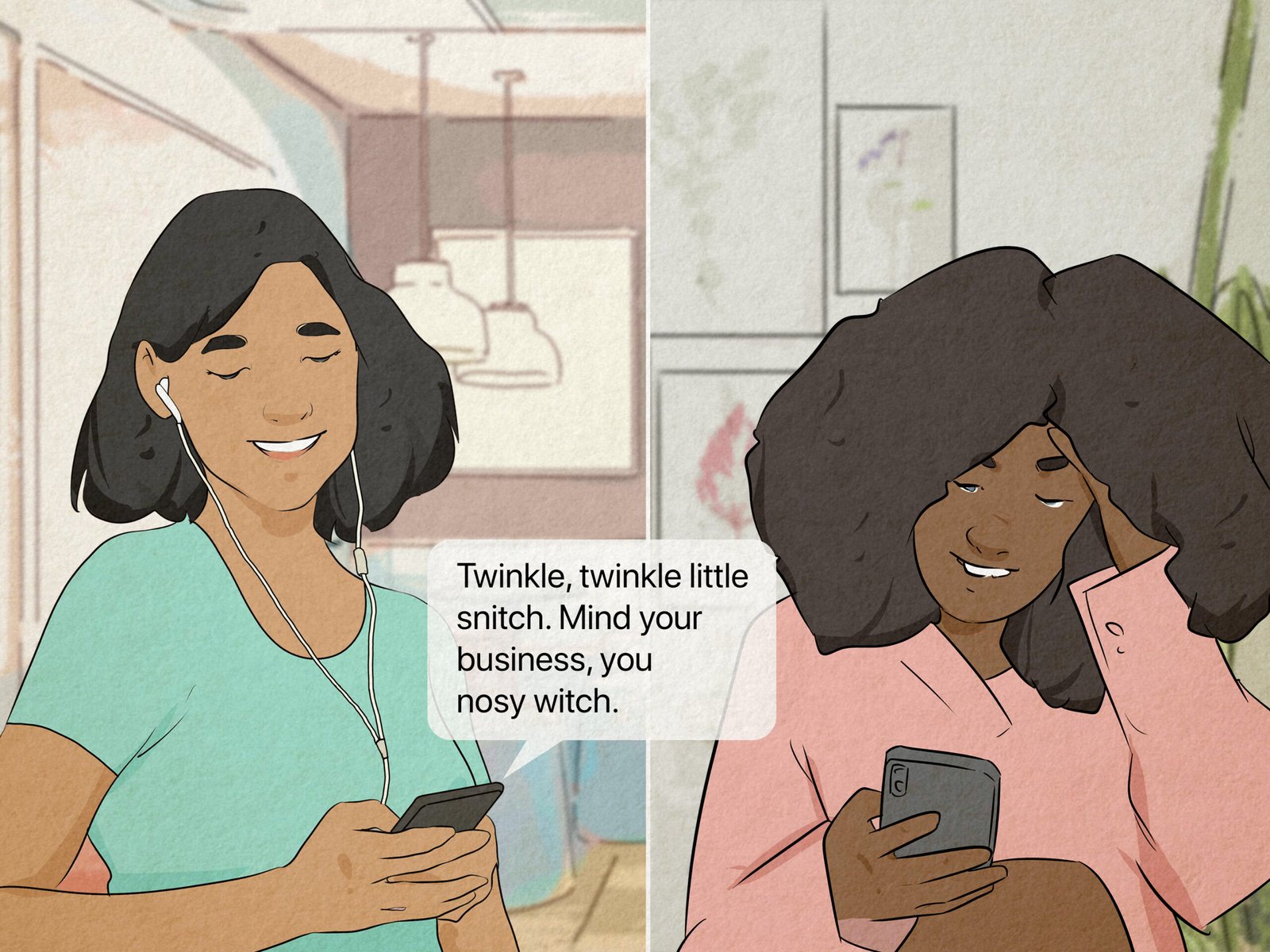
Platforms like Instagram, X, and TikTok have amplified self-roasting culture. Viral posts often revolve around everyday struggles:
- “Me pretending I understand taxes.”
- “My sleep schedule is a suggestion, not a rule.”
- “Confidence level: WiFi signal in a basement.”
This humor thrives online for its relatability, boosting engagement. But moderation is key—repeated jokes shape your online identity. Compare two influencer bios: One says, “Coffee addict, occasional adult, and CEO of forgetting meetings,” blending light self-roasts with professional strengths. Another reads, “World champion at messing up, can’t do anything right,” piling on the self-mockery. The first seems authentic and confident; the second risks looking insecure. This shows how overdoing self-deprecation shifts perceptions—so always balance humor with capability.
For entrepreneurs, influencers, and professionals, strategic self-deprecation can humanize your brand—but it must never damage credibility.
Practical Examples of Balanced Self-Deprecation
Here are a few examples that maintain confidence:
Want to give it a try? Test out a gentle self-roast in a low-stakes situation—like with close friends, family, or even in a group chat. Notice how it feels and how others respond. Practicing in these safe spaces helps build confidence for using self-deprecating humor in broader social settings.
- “I don’t trip—I do surprise gravity checks.”
- “I’m not late. I operate in a different time zone called ‘optimistic.’”
- “I tried being organized once. It was exhausting.”
These jokes highlight everyday imperfections without attacking intelligence, competence, or worth.
Using Self-Deprecation for Personal Growth
Interestingly, self-deprecating humor can also build resilience. In fact, research suggests that people who can laugh at their own mistakes recover from embarrassment more quickly, both emotionally and physically. For example, studies have shown that individuals who use humor to cope with awkward situations may experience a faster return to normal heart rate and a shorter duration of blushing or anxious feelings after a social mishap. When you learn to laugh at small mistakes, you reduce their emotional weight and recover faster. This helps you:
- Recover faster from embarrassment.
- Develop thicker skin
- Accept imperfections
- Grow through setbacks
Laughter reframes failure as experience rather than disaster.
Growth only happens when humor goes hand in hand with self-respect. The goal isn’t to put yourself down; it’s to accept your humanity.
Final Thoughts
Self-deprecating humor is a subtle but powerful art. When practiced with authenticity, balance, and confidence, it makes you relatable, approachable, and socially intelligent. It breaks tension, builds trust, and strengthens connections.
But like any powerful tool, it must be handled wisely. Avoid attacking your core value. Don’t overdo it. Keep it light. And always remember: humor should uplift, not diminish.
At its best, self-roasting isn’t about putting yourself down. It’s about showing others that you’re confident enough to laugh at life’s imperfections.
So go ahead. Give yourself a gentle roast.