Understanding How Postpartum Depression Affects Relationships
When Postpartum Depression Enters a Relationship: Healing Together as a Couple
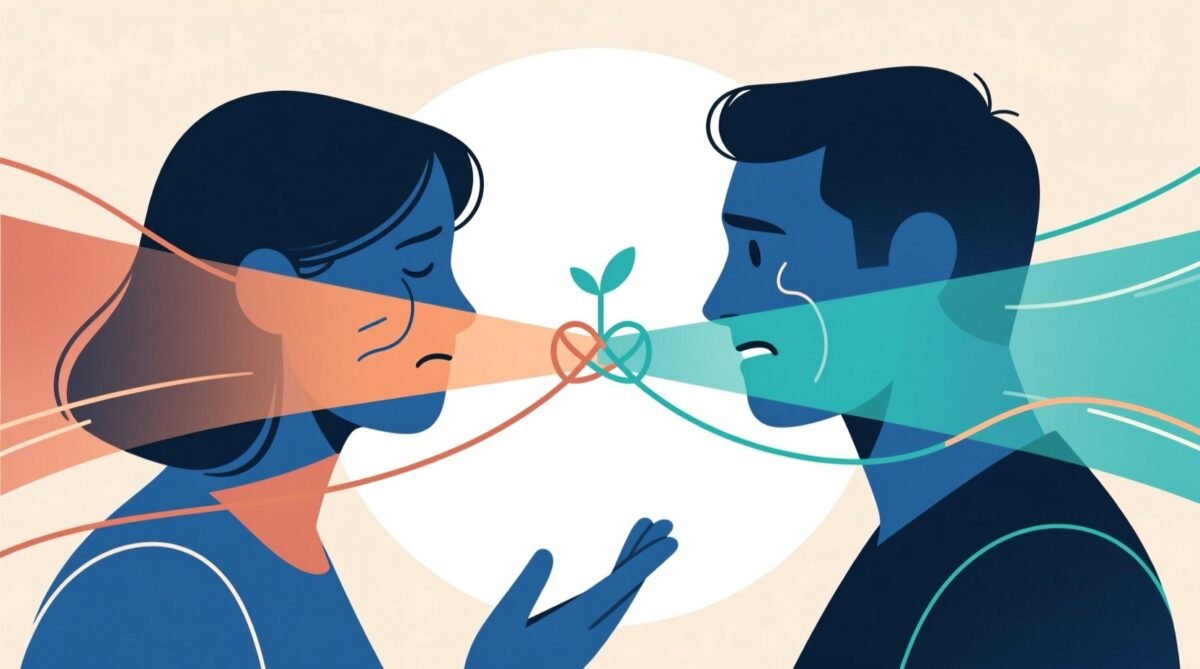
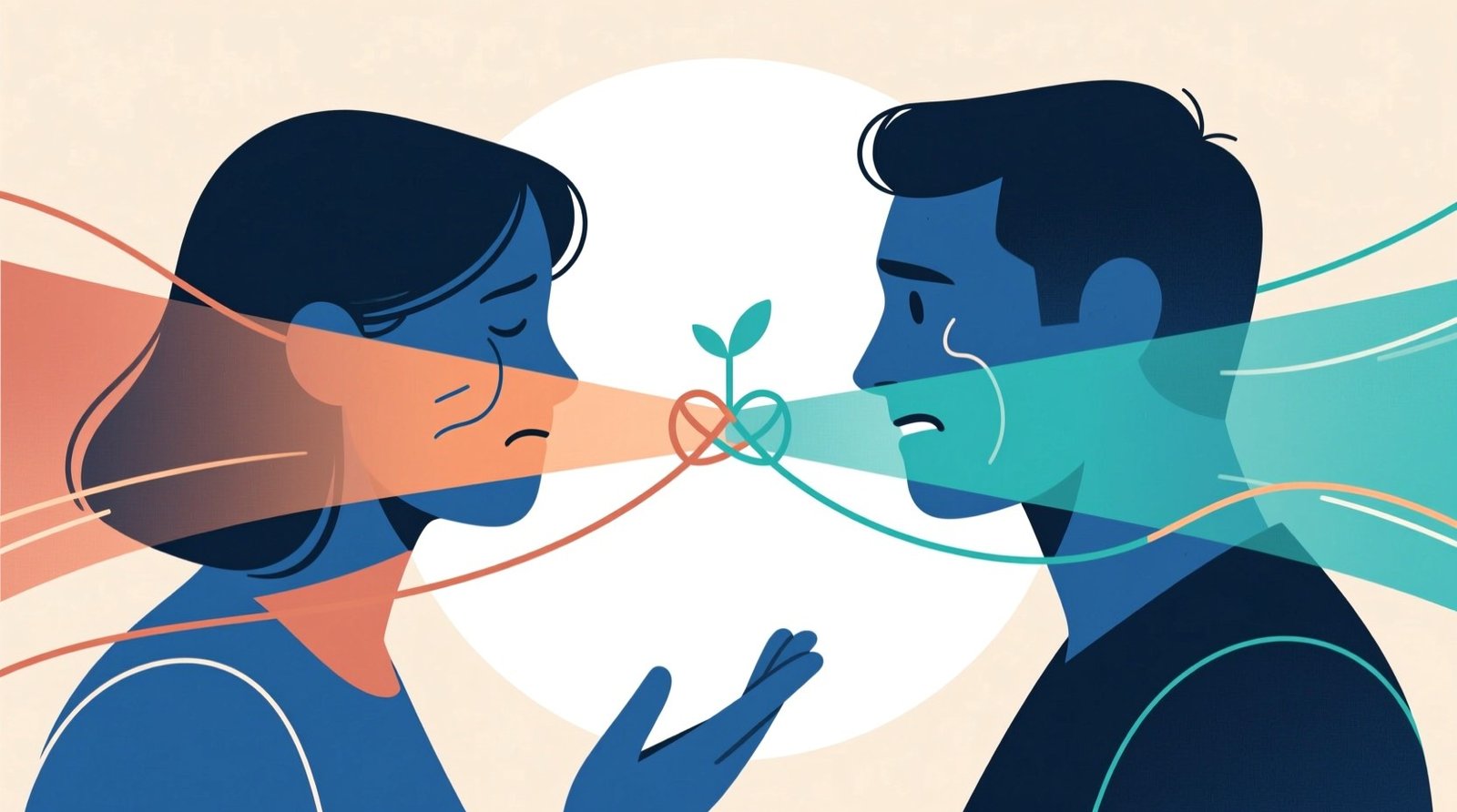
Postpartum Depression (PPD) can be loud and disruptive, and as a result, it often affects more than just one person. When a new parent experiences PPD, it doesn’t happen in isolation—instead, it can deeply impact the entire relationship. For example, partners may feel confused, helpless, rejected, or overwhelmed. Meanwhile, the parent experiencing PPD may struggle with guilt, shame, fear, and emotional isolation.
However, healing is absolutely possible. In fact, many couples find that they become stronger when they face postpartum depression together. Over time, working through PPD as a team can build a deeper sense of partnership, trust, and emotional support. Ultimately, shared understanding helps both partners feel less alone during recovery.
Therefore, this guide explains how postpartum depression can affect relationships, how to recognize the signs early, and most importantly, shares practical steps couples can take to heal together.
“Postpartum depression is not a weakness. Instead, it is a medical and emotional condition—and recovery is strongest when support becomes a shared effort.”
Understanding Postpartum Depression Beyond the Individual
Postpartum depression is a mood disorder that can develop after childbirth. Unlike the short-term “baby blues,” PPD lasts longer and can have a big impact on daily life, emotions, and bonding. (Risk Factors of Postpartum Depression, 2023) Noticing the signs early helps couples seek help sooner, which can bring hope and a sense of control.
Common Symptoms of Postpartum Depression
Persistent sadness or hopelessness
Irritability, anger, or emotional numbness
Difficulty bonding with the baby
Changes in sleep or appetite
Intense guilt or feelings of inadequacy
Anxiety or panic attacks
Withdrawal from loved ones (Postpartum depression symptoms: prevalence, risk factors, and childbirth experiences in Palestine, 2024)
Even if just one partner has symptoms, the entire relationship can feel the effects. (Garthus-Niegel et al., 2018)
How Postpartum Depression Affects a Relationship
PPD can gradually change how couples communicate, connect, and support each other.
Emotional Distance and Misunderstanding
One partner might see withdrawal as rejection, while the other feels exhausted. Without understanding, both can end up feeling overlooked.
Feeling tired, dealing with hormonal changes, and being overwhelmed can lead to more arguments, defensiveness, or silence.
Intimacy Challenges
Physical recovery, changes in body image, and emotional distance can reduce intimacy. This can sometimes cause guilt or resentment.
Partner Mental Health Impact
Partners of someone with postpartum depression can also feel anxious, depressed, or exhausted, especially if they neglect their own needs.
Postpartum Depression in Partners: Often Overlooked
Postpartum depression doesn’t just affect birthing parents. Non-birthing partners can also experience paternal or partner postpartum depression, especially when:
Sleep deprivation is severe.
Relationship roles change suddenly.
Financial or caregiving pressure increases
Emotional support feels one‑sided. (Garfield, 2025)
Recovering from postpartum depression is not just about helping one person. It’s about restoring balance, empathy, and connection in the relationship.
1. Name the Experience Without Blame
Using language that separates the person from the condition can help reduce feelings of shame.
Instead of:
“You’ve changed since the baby arrived.”
Try:
“It feels like postpartum depression is creating distance between us, and I want to face it together.”
2. Prioritize Open, Low‑Pressure Communication
PPD can make it hard to talk about feelings. Give each other space and avoid pushing for answers.
Helpful communication practices:
Use “I feel” statements.
Validate emotions before problem‑solving
Keep conversations short and frequent.
Accept silence when needed
3. Share the Mental and Emotional Load
Healing can happen more quickly when caregiving, planning, and emotional responsibilities are shared. (Father involvement, couple relationship quality, and maternal Postpartum Depression: the role of ethnicity among low-income families, 2023)
Area of Support
Shared Actions That Help
Baby Care
Rotating night duties, feeding support
Household Tasks
Simplified routines, external help
Emotional Support
Daily check‑ins, reassurance
Self‑Care
Encouraging rest and breaks
4. Seek Professional Help Together
Therapy is not only for emergencies. It can be a positive step toward recovery.
Effective support options include:
Individual therapy for postpartum depression
Couples counseling
Postpartum mental health specialists
Support groups (online or in‑person)
Attending even one session together can ease worries and help you understand each other better. (Effect of couple-based interpersonal psychotherapy on postpartum depressive symptoms: A randomised controlled trial, 2022, pp. 799-808)
Rebuilding Emotional and Physical Intimacy
Intimacy after postpartum depression may look different, and that’s okay. Focus on emotional safety. (Incidence of postpartum depression and couple relationship quality, 2017, pp. 1-6)
Offer affection without expectation.
Express appreciation daily
Accept that changes in the body and identity are normal.
Redefine Intimacy is not just about physical closeness. Holding hands, sharing meals, spending quiet time together, and laughing can slowly rebuild your connection.
“Intimacy after postpartum depression begins with patience, not pressure.”
Supporting a Partner With Postpartum Depression
If your partner is experiencing PPD, your role is not to cure them, but to support them.
What Helps
Learning about postpartum depression
Listening without minimizing feelings
Encouraging professional help
Protecting rest and recovery time
What to Avoid
Taking symptoms personally
Rushing recovery
Offering constant advice
Comparing experiences
Long‑Term Relationship Growth After Postpartum Depression
Many couples say that facing postpartum depression together made their bond stronger in the end. (Keeping Your Relationship Strong During Postpartum Depression, 2018)
Positive Outcomes Couples Often Experience
Deeper emotional intimacy
Stronger communication skills
Increased empathy and patience
Clearer role boundaries
Shared resilience
Postpartum depression can be just one part of your story, not the whole story.
If postpartum depression leads to thoughts of self-harm, harm to the baby, or complete emotional withdrawal, it’s important to get professional help right away. Acting quickly protects both the person and the relationship.
Final Thoughts: Healing Is a Shared Journey
When postpartum depression affects a relationship, it can challenge patience, trust, and emotional strength. But with learning, compassion, and teamwork, couples can heal together.
Recovery doesn’t mean going back to who you were before the baby. It means becoming a stronger and more connected version of yourself now.